
Top Plant-Based Protein Sources Ranked
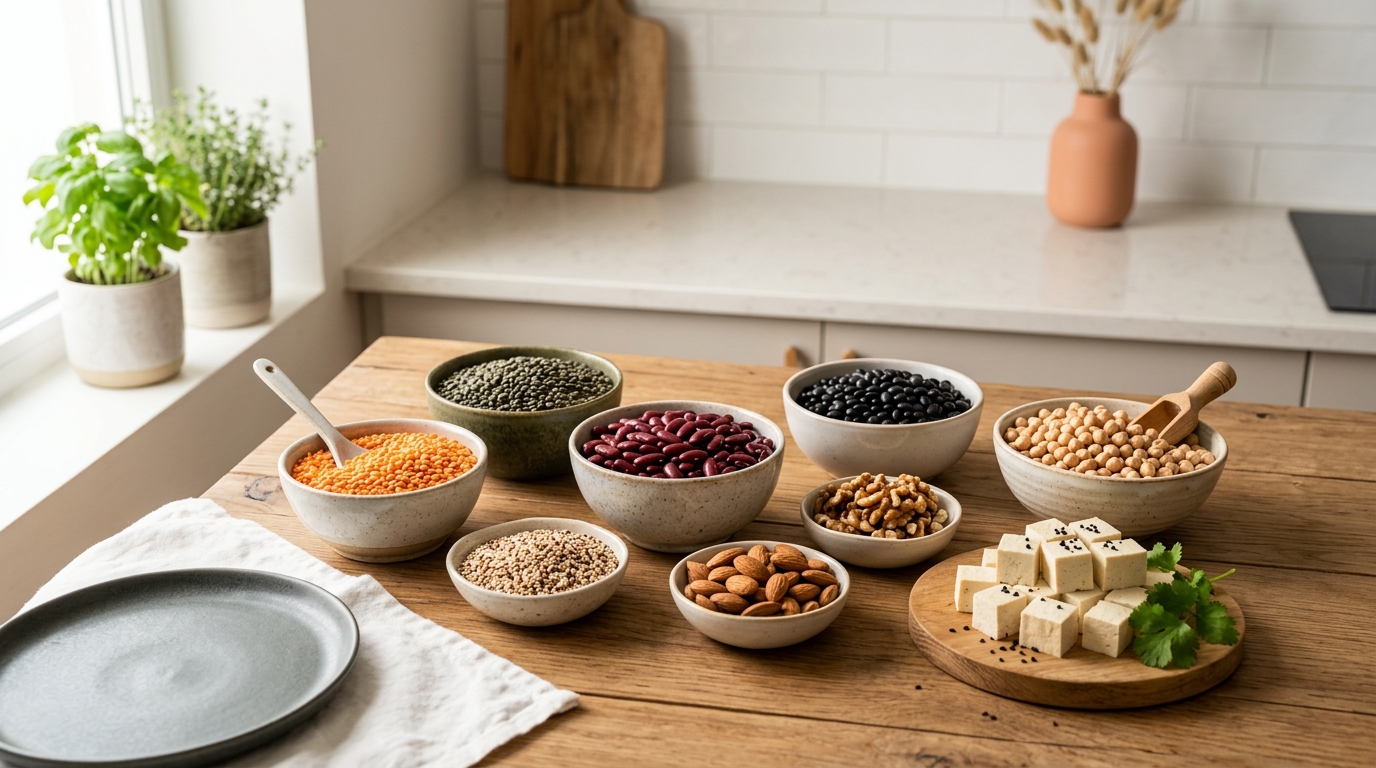
Plant-based diets are becoming more popular, and for good reason. They're not only good for the environment but also packed with nutrients. But one question often arises: what are the best plant-based protein sources? Let's rank them and see which ones truly pack a nutritional punch.
1. Lentils
Lentils are a powerhouse of protein. With about 18 grams of protein per cup, they're a top choice for plant-based eaters. They're versatile too, making a hearty addition to soups, salads, and even as a meat substitute in dishes like shepherd's pie.
2. Chickpeas
Chickpeas, or garbanzo beans, offer about 15 grams of protein per cup. They're the star ingredient in hummus and can be roasted for a crunchy snack or tossed into salads and stews. If you're using Calofay, you can easily log your chickpea intake with a quick photo or voice memo.
3. Quinoa
Quinoa is not just a trendy grain; it's a complete protein with all nine essential amino acids. One cup of cooked quinoa provides about 8 grams of protein. Its nutty flavor and fluffy texture make it a great base for salads, bowls, and even breakfast porridge.
"Quinoa is a staple in vegan diets for a reason. It's not only rich in protein but also packed with fiber, making it a satisfying and nutritious choice."
4. Tofu
Tofu, made from soybeans, is a staple in many vegan diets. With about 10 grams of protein per half-cup serving, it's incredibly versatile. Whether you grill it, stir-fry it, or blend it into a smoothie, tofu adapts well to any flavor profile.
5. Edamame
Edamame, or young soybeans, are not just a sushi restaurant appetizer. They're a protein powerhouse with about 17 grams per cup (shelled). Steam them, toss them in salads, or just enjoy them as a snack.
6. Black Beans
Black beans offer about 15 grams of protein per cup and are rich in fiber and antioxidants. They make a hearty addition to tacos, burritos, and salads. Plus, they're easy to track in your diet with Calofay's barcode scanning feature.
7. Hemp Seeds
These tiny seeds pack a punch with about 10 grams of protein per 3-tablespoon serving. Hemp seeds are also rich in omega-3 fatty acids. Sprinkle them on yogurt, oatmeal, or salads for an easy protein boost.
Including these protein sources in your meals can help you maintain a balanced diet. With Calofay, tracking your protein intake has never been easier. From scanning barcodes to logging meals with a photo, it simplifies the process so you can focus on enjoying your food.
Frequently Asked Questions
What is the highest protein plant-based food?
Lentils and edamame are among the highest, with 18 grams and 17 grams of protein per cup, respectively.
Are plant-based proteins complete proteins?
Some, like quinoa and tofu, are complete proteins, meaning they contain all nine essential amino acids.
How can I easily track my plant-based protein intake?
Using an app like Calofay makes it easy to log and track your protein intake with features like meal photo logging and barcode scanning.
Ready to turn this into results?
Take the 2-minute Calofay quiz and get your personal calorie & macro plan — with 500+ healthy recipes, an AI coach, and a 15-day money-back guarantee. It's the easiest way to start.
Ready to start your journey?
Answer 13 quick questions and get your custom plan in 2 minutes.
Read next
All articles →
Daily Fiber: Your Essential Guide to Intake & Sources
Discover how much daily fiber you need and learn the best sources to enhance your diet.
Daily Fiber: How Much You Need & Where to Find It
Discover how much daily fiber you need and the best sources to improve digestion and overall health.
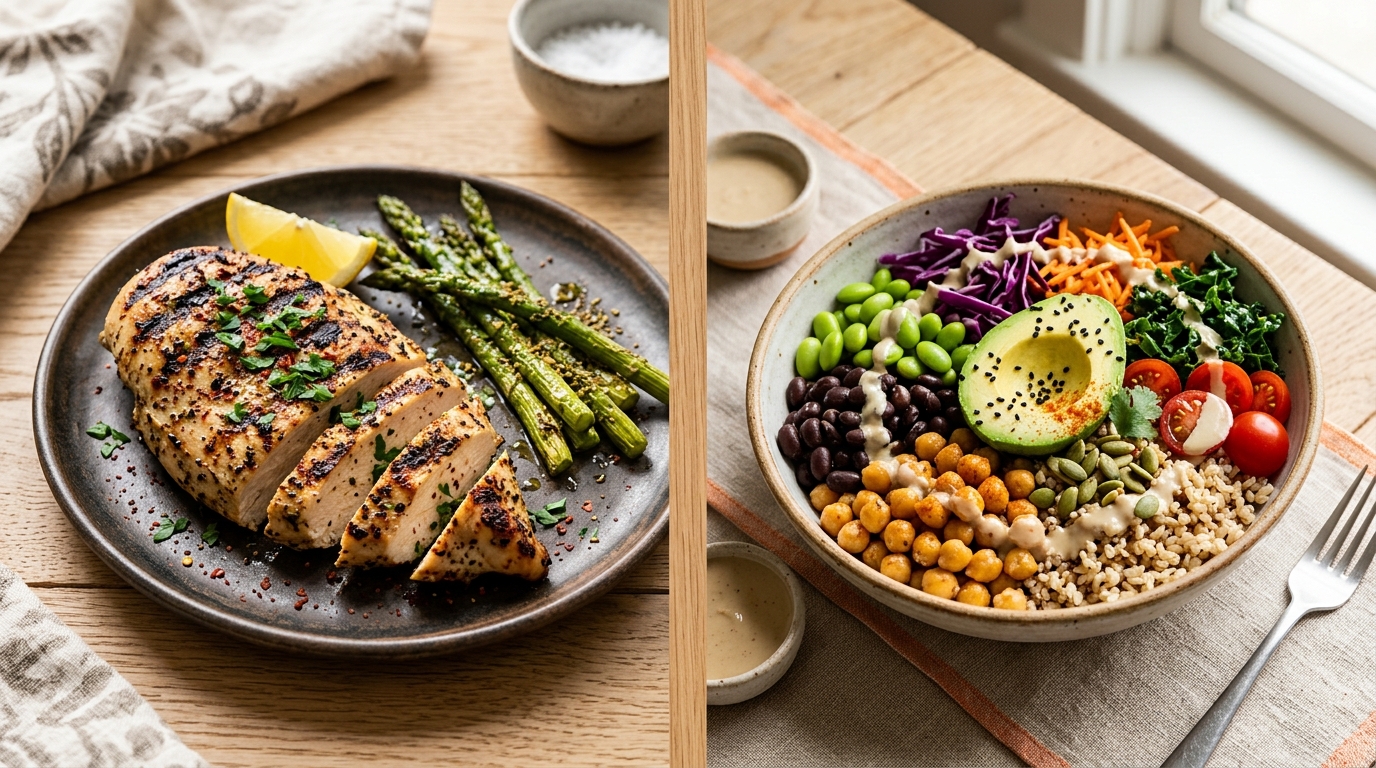
Animal vs Plant Protein: What's Best for Muscle?
Explore the benefits of animal vs plant protein for muscle building, and find out which is best for your fitness goals.