
Daily Fiber: How Much You Need & Where to Find It
Why Fiber Matters
Fiber is an essential part of your diet that often gets overlooked. It plays a crucial role in maintaining digestive health and can also aid in weight management and disease prevention. But how much fiber do you really need, and where can you find it?
Recommended Daily Fiber Intake
The dietary guidelines suggest that women should aim for about 25 grams of fiber per day, while men should target around 38 grams. However, most people only consume about 15 grams daily. This shortfall can lead to digestive issues and other health problems.
Benefits of Getting Enough Fiber
Getting enough fiber isn't just about keeping things regular. It has a multitude of health benefits:
- Improves digestive health: Regular fiber intake helps prevent constipation and promotes a healthy gut.
- Controls blood sugar levels: Soluble fiber can slow the absorption of sugar, helping to maintain stable blood sugar levels.
- Lowers cholesterol levels: Some fibers can reduce blood cholesterol levels by lowering low-density lipoprotein, or "bad" cholesterol.
- Aids in weight management: High-fiber foods are more filling, which can help you eat less and stay satisfied longer.
Top Sources of Fiber
Incorporating fiber into your diet can be delicious and easy. Here are some of the best sources:
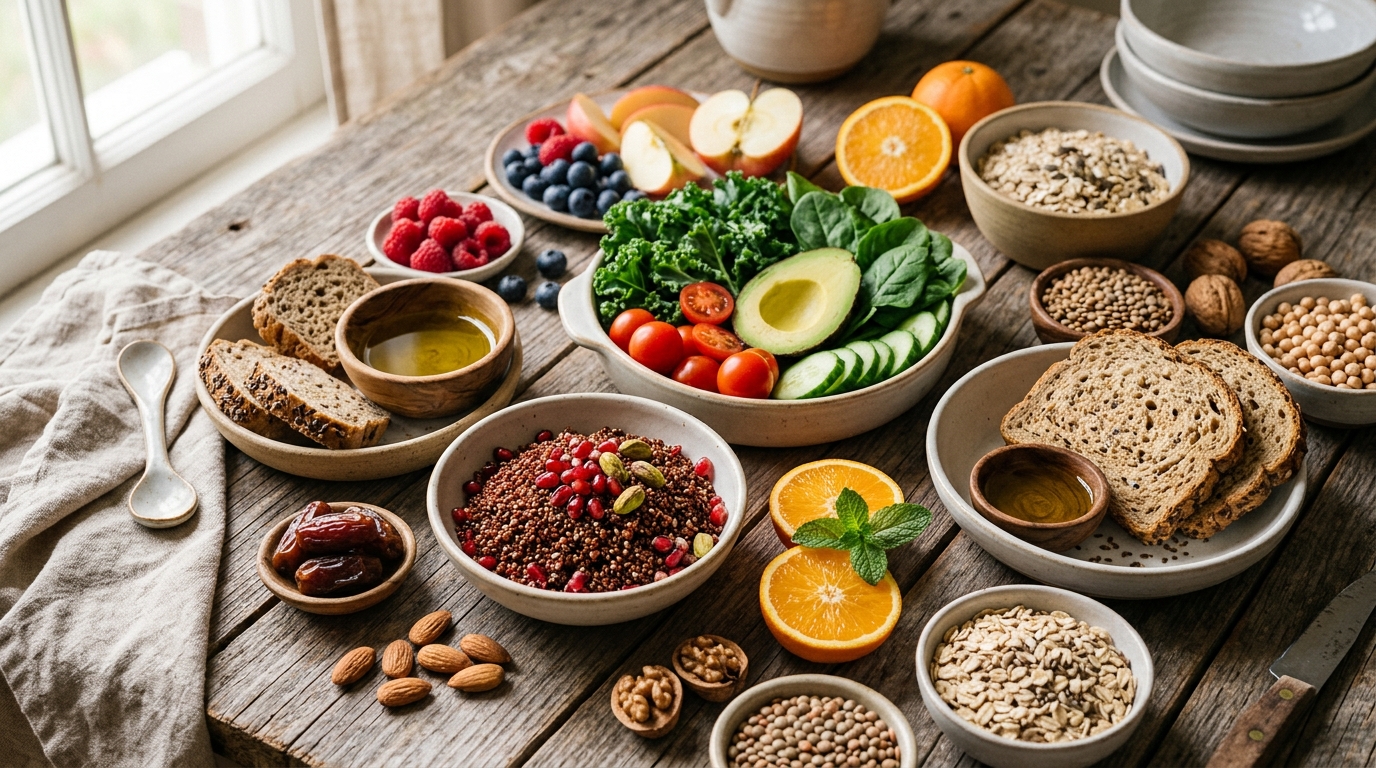
- Fruits: Berries, apples, bananas, and oranges are all excellent choices.
- Vegetables: Broccoli, carrots, and leafy greens like spinach and kale are fiber-rich.
- Whole grains: Opt for whole-grain bread, quinoa, brown rice, and oats.
- Legumes: Beans, lentils, and chickpeas are packed with fiber.
- Nuts and seeds: Almonds, chia seeds, and flaxseeds are great options.
"Fiber is like nature's broom for your intestines, keeping things moving smoothly and efficiently."
Tips to Increase Your Fiber Intake
- Start slow: Gradually increase your fiber intake to prevent bloating and gas.
- Hydrate well: Drinking water helps fiber do its job better.
- Use Calofay: With Calofay, you can easily track your fiber intake and ensure you're meeting your daily goals by logging meals with a photo or voice memo.
Common Fiber Mistakes to Avoid
It's easy to make mistakes when trying to increase fiber intake. Here are a few common pitfalls:
- Skipping water: Fiber works best with adequate hydration.
- Ignoring variety: Different fibers have different benefits, so mix up your fiber sources.
- Relying on supplements: Whole foods are the best source of fiber; supplements should only be used as a backup.
How Calofay Can Help
Calofay acts as your personal nutrition assistant. With features like macro tracking and meal logging through photos, you can effortlessly manage your fiber intake. By using Calofay, you can set reminders to include fiber-rich foods in your meals and even import recipes from Instagram or TikTok for a creative twist on high-fiber meals.
Frequently Asked Questions
How do I know if I'm getting enough fiber?
A lack of fiber can manifest as digestive issues like constipation. Using an app like Calofay can help track your intake to ensure you're meeting your daily needs.
What happens if I consume too much fiber?
Excessive fiber can lead to bloating, gas, and even constipation if not accompanied by enough water. It's best to increase your fiber gradually.
Can I get enough fiber on a low-carb diet?
Yes, by focusing on low-carb, high-fiber foods like leafy greens, nuts, and seeds, you can still meet your fiber goals without excessive carbs.
Ready to turn this into results?
Take the 2-minute Calofay quiz and get your personal calorie & macro plan — with 500+ healthy recipes, an AI coach, and a 15-day money-back guarantee. It's the easiest way to start.
Ready to start your journey?
Answer 13 quick questions and get your custom plan in 2 minutes.
Read next
All articles →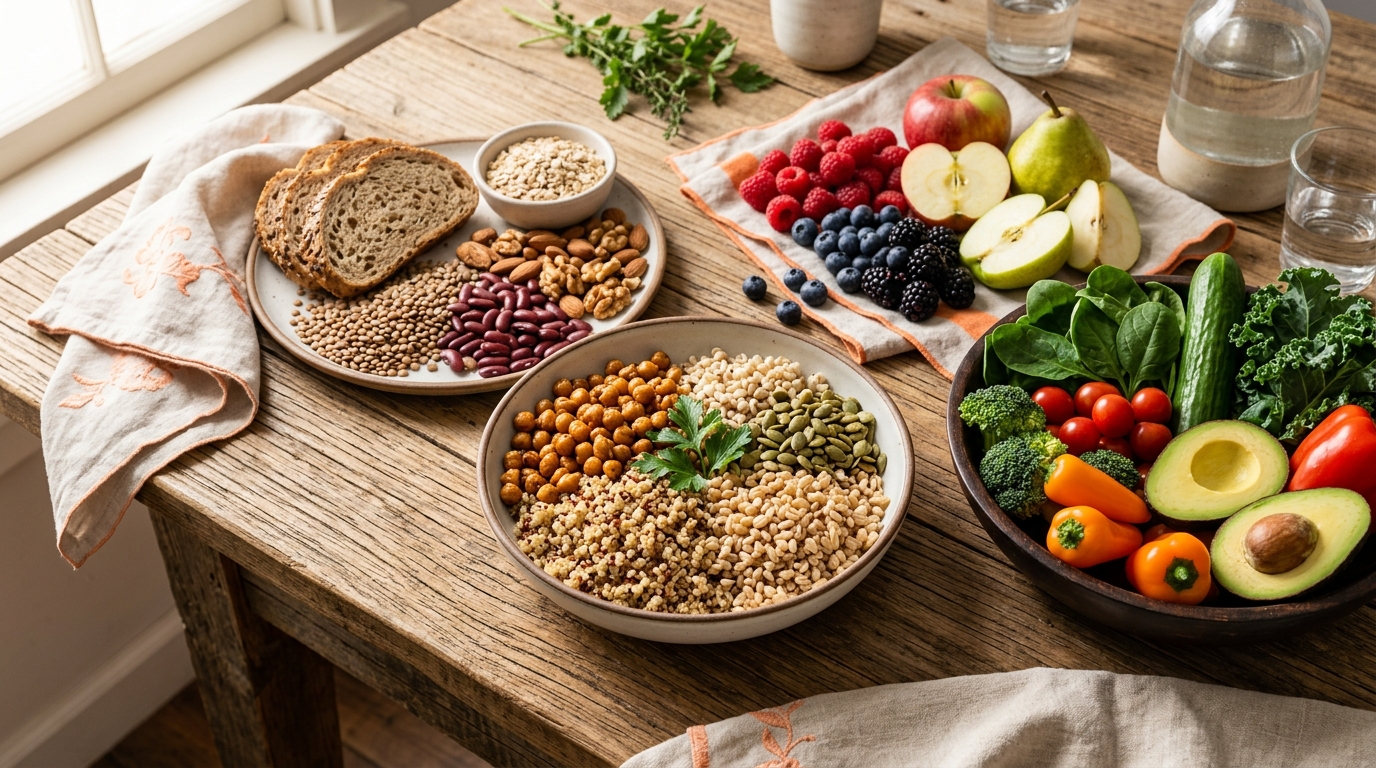
Daily Fiber: Your Essential Guide to Intake & Sources
Discover how much daily fiber you need and learn the best sources to enhance your diet.

Animal vs Plant Protein: What's Best for Muscle?
Explore the benefits of animal vs plant protein for muscle building, and find out which is best for your fitness goals.

5 Signs You're Not Eating Enough Protein
Discover the key signs you're missing out on protein and learn how to fix it.