
Daily Fiber: Your Essential Guide to Intake & Sources
Why Fiber Matters
Fiber is more than just a dietary buzzword. It's a critical component for digestion, heart health, and maintaining a stable blood sugar level. But how much daily fiber do you really need, and where can you get it? Let's dive into the nitty-gritty.
How Much Fiber Do You Need?
The recommended daily fiber intake varies by age and gender. For adult women, aim for 25 grams per day, while men should target 38 grams. Unfortunately, the average intake is only about 15 grams per day for most people in the US, according to the National Institutes of Health.
What Happens When You Don't Get Enough?
A fiber-deficient diet can lead to digestive issues like constipation and irregular bowel movements. Long-term, low fiber intake can increase the risk of heart disease, type 2 diabetes, and weight gain.
The Types of Fiber
Fiber comes in two types: soluble and insoluble. Soluble fiber dissolves in water and can help lower glucose levels and cholesterol. You'll find it in oats, peas, and apples. Insoluble fiber, found in whole grains and vegetables, adds bulk to your stool and aids in passing food through your digestive system.
Top Sources of Fiber
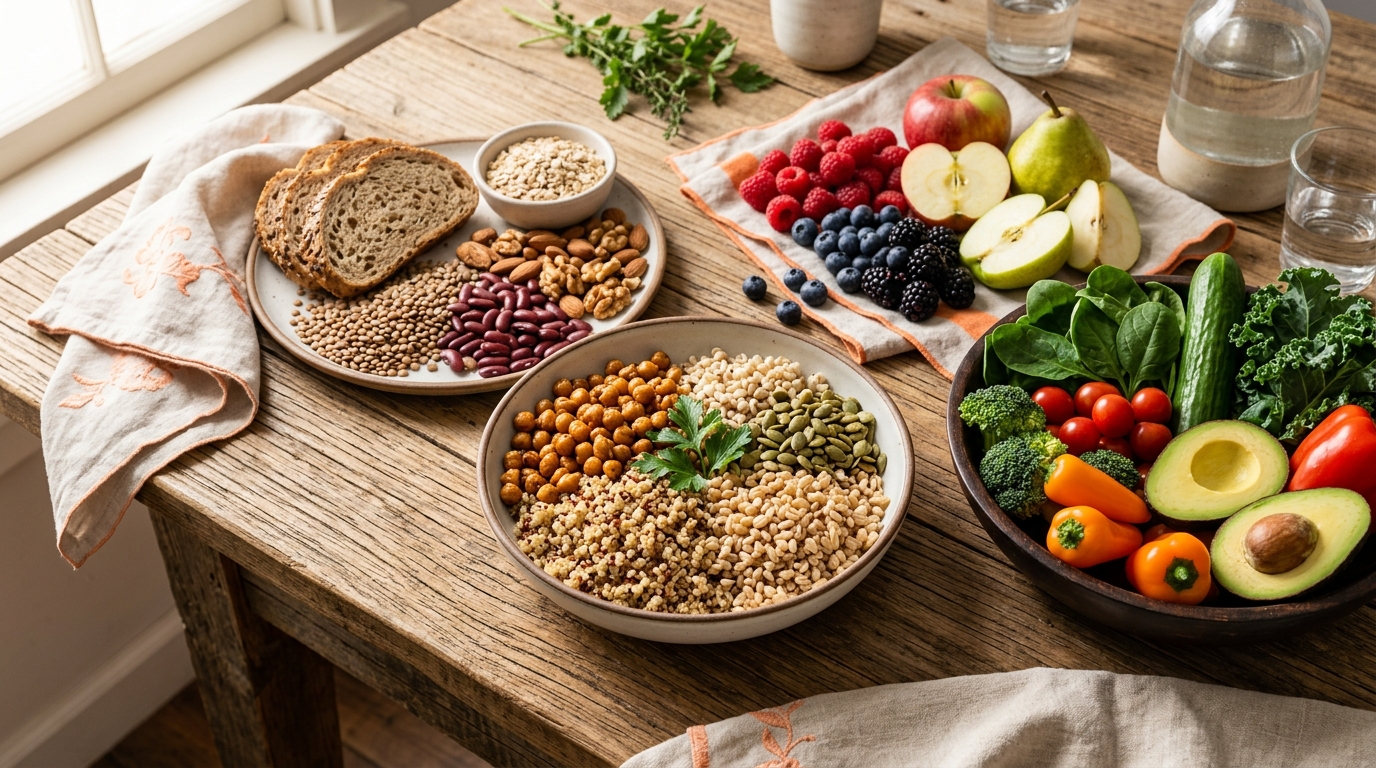
Getting your fiber from a variety of foods is key. Here are some excellent sources:
- Fruits: Apples, bananas, oranges, and berries offer 3-4 grams per serving.
- Vegetables: Broccoli, carrots, and Brussels sprouts deliver 2-5 grams per serving.
- Legumes: Lentils and beans can provide up to 15 grams per cup.
- Whole Grains: Foods like quinoa, oats, and whole wheat bread pack 3-6 grams per serving.
Pro Tip: Mix and match these foods for a fiber-rich meal plan that keeps your diet exciting and nutritious.
Simple Ways to Increase Your Fiber Intake
- Start Your Day Right: Opt for a high-fiber cereal or oatmeal.
- Snack Smart: Choose raw fruits or nuts instead of processed snacks.
- Add More Veggies: Increase your vegetable portions during meals.
- Go Whole: Swap out white rice or bread for their whole-grain counterparts.
Calofay can help simplify this process by logging your meals and tracking your fiber intake accurately. With features like meal logging from photos or voice memos, it's like having a personal dietitian in your pocket.
Fiber and Weight Management
A high-fiber diet can be a game-changer for weight management. Fiber-rich foods are more filling, which can help you eat less and stay satisfied longer. This can naturally lead to weight loss or maintenance without feeling deprived.
How Calofay Enhances Your Fiber Journey
With Calofay, you can easily track your fiber intake along with other macros like protein, carbs, and fats. The app's personal AI coach can offer tailored advice to ensure you're meeting your fiber goals. Plus, with over 500 ready-to-cook recipes, you'll never run out of ideas to boost your fiber intake deliciously.
Frequently Asked Questions
How can I tell if I'm getting enough fiber?
Look at your diet: if it includes plenty of fruits, vegetables, and whole grains, you're likely on track. You can also use apps like Calofay to monitor your intake accurately.
Can you have too much fiber?
Yes, consuming excessive fiber can cause bloating and gas. Increase your fiber intake gradually and drink plenty of water to help your body adjust.
Is fiber only about digestion?
Not at all. While fiber aids digestion, it also plays a crucial role in controlling blood sugar levels and reducing the risk of heart disease.
Ready to turn this into results?
Take the 2-minute Calofay quiz and get your personal calorie & macro plan — with 500+ healthy recipes, an AI coach, and a 15-day money-back guarantee. It's the easiest way to start.
Ready to start your journey?
Answer 13 quick questions and get your custom plan in 2 minutes.
Read next
All articles →
Daily Fiber: How Much You Need & Where to Find It
Discover how much daily fiber you need and the best sources to improve digestion and overall health.

Animal vs Plant Protein: What's Best for Muscle?
Explore the benefits of animal vs plant protein for muscle building, and find out which is best for your fitness goals.

5 Signs You're Not Eating Enough Protein
Discover the key signs you're missing out on protein and learn how to fix it.