
Animal vs Plant Protein: What's Best for Muscle?
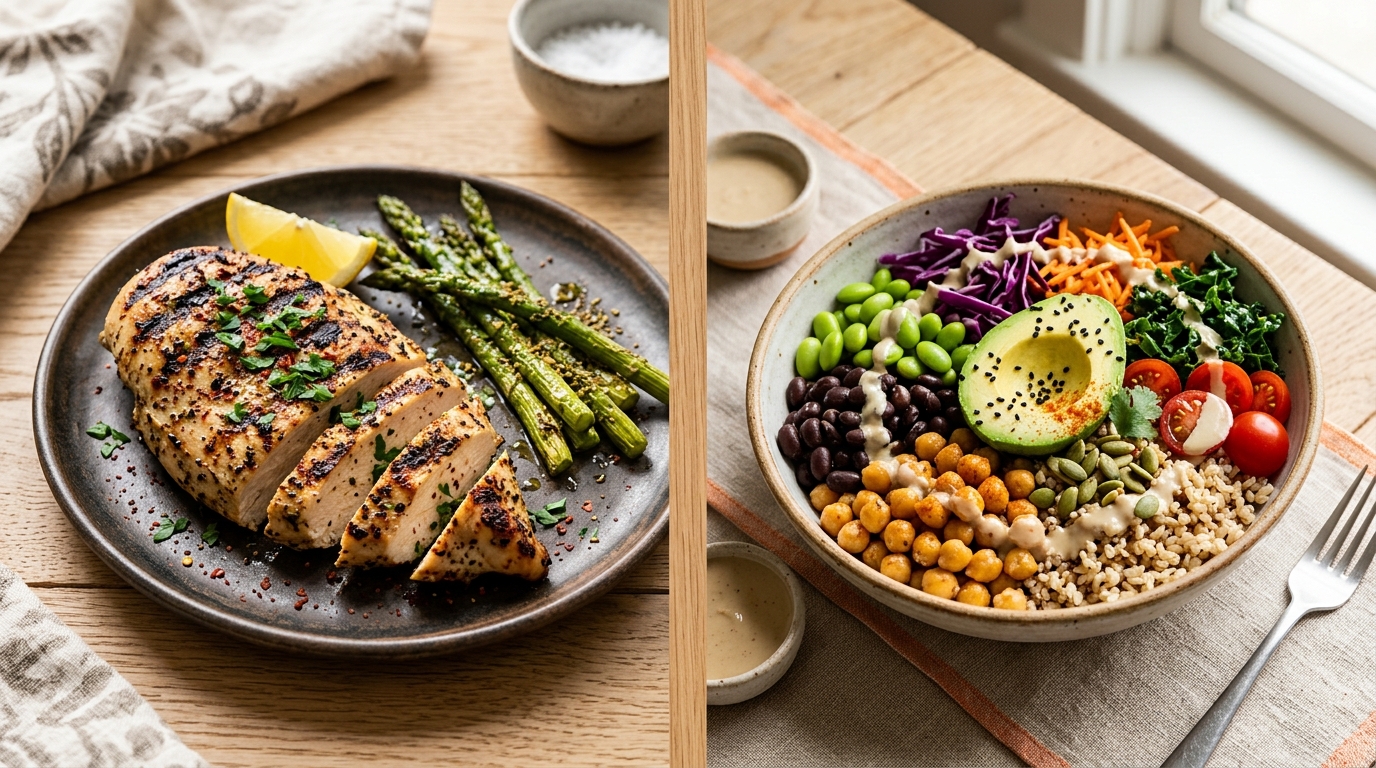
When it comes to building muscle, the age-old debate of animal vs plant protein continues to be a hot topic. Whether you're a seasoned bodybuilder or just starting your fitness journey, understanding the benefits of each can help you make informed dietary choices.
What Are Animal Proteins?
Animal proteins are derived from meat, fish, dairy, and eggs. They are considered complete proteins because they contain all nine essential amino acids that your body cannot produce on its own. These amino acids are crucial for muscle growth and repair, making animal proteins a popular choice for those looking to build muscle.
- Sources: Chicken, beef, fish, eggs, milk, and cheese.
- Benefits: High in essential amino acids, vitamin B12, iron, and zinc.
Animal proteins are often rich in leucine, a key amino acid that signals muscle protein synthesis, the process your body uses to build muscle. For some, this makes animal protein the go-to option for post-workout nutrition.
The Rise of Plant Proteins
On the other hand, plant proteins come from sources like beans, lentils, nuts, seeds, and whole grains. Many plant proteins are incomplete, meaning they lack one or more essential amino acids, but combining different plant sources can create a complete amino acid profile.
- Sources: Lentils, chickpeas, quinoa, tofu, tempeh, nuts, and seeds.
- Benefits: High in fiber, antioxidants, and phytonutrients, often lower in calories and fat.
Plant proteins are gaining popularity not only for their health benefits but also for their environmental impact. For those looking to reduce animal consumption, plant proteins offer a viable alternative for muscle building.
Bioavailability Matters
Bioavailability refers to how well your body can absorb and utilize the protein you consume. Animal proteins generally have higher bioavailability, meaning your body can use them more efficiently. However, this doesn't discount plant proteins—it's about choosing the right combinations.
"Combining different plant-based proteins, like beans and rice, can create a complete amino acid profile, making them just as effective as animal proteins for muscle growth."
Using apps like Calofay can help you track your protein intake and ensure you're getting a balanced mix of amino acids, whether you prefer animal or plant sources.
Protein Quality Score
Protein quality is often assessed by the Protein Digestibility Corrected Amino Acid Score (PDCAAS). Animal proteins typically score higher on this scale compared to many plant proteins. However, some plant sources like soy and quinoa score comparably high, making them excellent choices for muscle building.
- High PDCAAS plant sources: Soy products (tofu, tempeh), quinoa, chia seeds.
- High PDCAAS animal sources: Egg whites, whey protein, fish.
For those using Calofay, tracking the PDCAAS of your protein sources can help optimize your intake for muscle growth.
Environmental and Ethical Considerations
Beyond muscle building, many people choose plant proteins for environmental and ethical reasons. Plant-based diets tend to have a lower carbon footprint and reduce animal welfare concerns. This can be an important consideration for those looking to align their fitness goals with their personal values.
Blending Both for Optimal Results
There's no strict rule that says you must choose one over the other. Many athletes and fitness enthusiasts blend both animal and plant proteins to reap the benefits of both worlds. This approach ensures a diverse nutrient intake and can be tailored to fit individual dietary preferences and ethical considerations.
Making the Right Choice
Ultimately, the choice between animal and plant protein for muscle building depends on your personal dietary preferences, ethical beliefs, and nutritional goals. Tools like Calofay can help you track and balance your intake, ensuring you're getting the right amount of protein, no matter your choice.
Frequently Asked Questions
What's the best plant protein for muscle building?
Soy products like tofu and tempeh are excellent plant-based protein sources due to their complete amino acid profile. Quinoa and chia seeds also score high in protein quality.
Can I build muscle with only plant proteins?
Absolutely. By combining different plant-based proteins, you can achieve a complete amino acid profile necessary for muscle growth. Apps like Calofay can assist in tracking and balancing your intake.
How much protein do I need daily for muscle growth?
The general guideline is about 1.6 to 2.2 grams of protein per kilogram of body weight. However, individual needs can vary, so it's always best to consult with a dietitian or use a tracking app like Calofay to find your optimal intake.
Ready to turn this into results?
Take the 2-minute Calofay quiz and get your personal calorie & macro plan — with 500+ healthy recipes, an AI coach, and a 15-day money-back guarantee. It's the easiest way to start.
Ready to start your journey?
Answer 13 quick questions and get your custom plan in 2 minutes.
Read next
All articles →
Daily Fiber: Your Essential Guide to Intake & Sources
Discover how much daily fiber you need and learn the best sources to enhance your diet.
Daily Fiber: How Much You Need & Where to Find It
Discover how much daily fiber you need and the best sources to improve digestion and overall health.

5 Signs You're Not Eating Enough Protein
Discover the key signs you're missing out on protein and learn how to fix it.