
How Much Protein to Build Muscle?
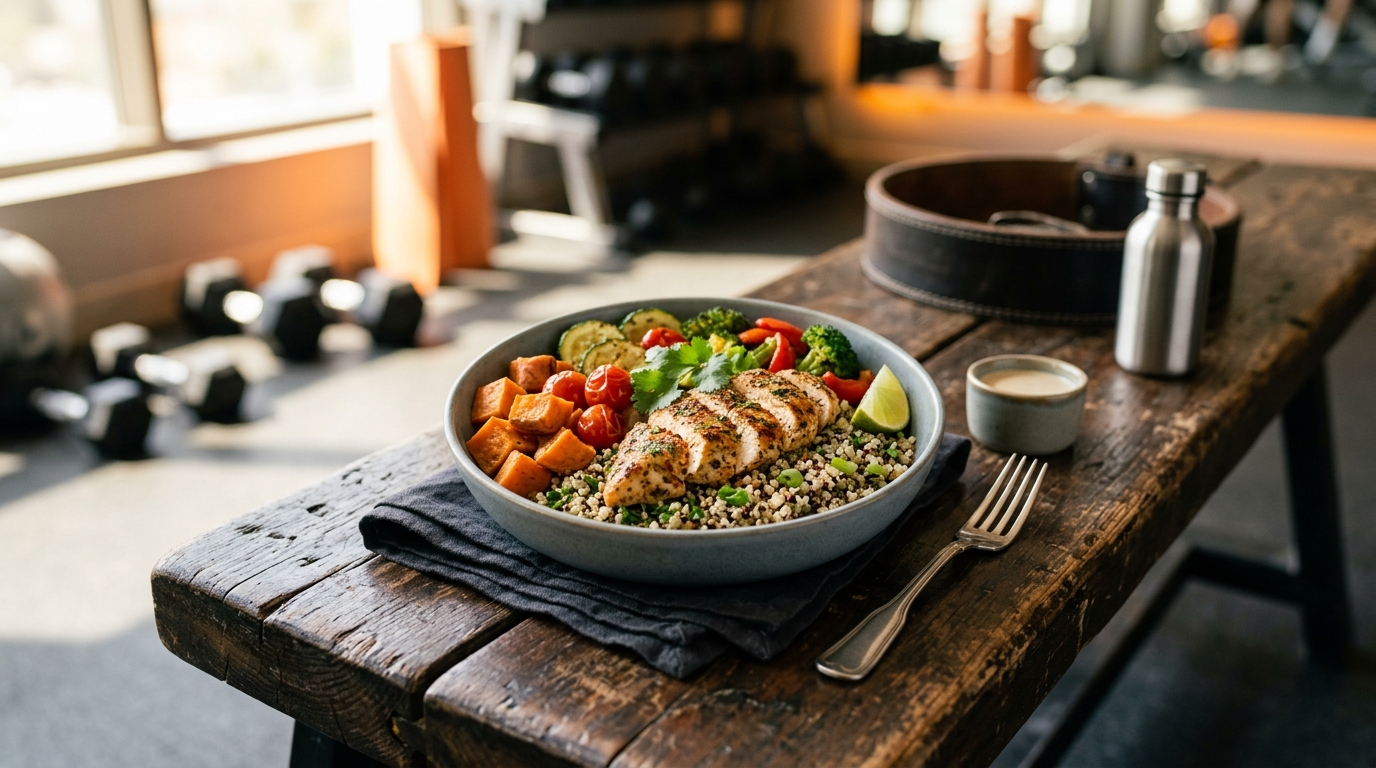
Building muscle isn't just about lifting weights—it's about fueling your body with the right nutrients. The spotlight today is on protein, the powerhouse macro that repairs and grows muscles. But how much protein do you actually need to build muscle?
Why Protein Matters for Muscle Growth
To build muscle, you need to consume enough protein to repair muscle fibers torn during exercise. Protein serves as the building block for these repairs, allowing muscles to grow larger and stronger. Without adequate protein, your muscles won't recover properly, stalling your progress.
The Standard Recommendations
Most fitness experts recommend 0.8 grams of protein per kilogram of body weight for general health. However, for those looking to build muscle, this figure increases. The typical guidance suggests 1.6 to 2.2 grams per kilogram of body weight. For example, a 70-kilogram person aiming to build muscle might need 112 to 154 grams of protein daily.
Individual Factors to Consider
Your protein needs aren't just a static number. They vary based on several factors:
- Activity Level: More intense workouts require more protein.
- Age: Older adults might need more protein to counteract muscle loss.
- Gender: Men often have higher protein needs due to more muscle mass.
- Goals: Are you aiming for maintenance, muscle gain, or fat loss?
Consider using an app like Calofay, which can tailor protein recommendations to your specific circumstances, including your goals and activity level.
Timing Your Protein Intake
Consuming protein throughout the day, rather than in one big meal, can be more effective for muscle building. Aim for 20-30 grams of protein per meal. Spread this intake across meals and snacks to keep your muscles primed for growth.
Pro Tip: For optimal muscle protein synthesis, consume a protein-rich meal or snack within 30 minutes post-workout.
High-Quality Protein Sources
Not all proteins are created equal. Opt for high-quality sources that provide all essential amino acids:
- Lean Meats: Chicken, turkey, and lean beef
- Fish: Salmon, tuna, and other fatty fish
- Dairy: Greek yogurt, milk, and cheese
- Plant-Based: Lentils, quinoa, and chickpeas
Using the Calofay app, you can effortlessly track your protein intake and ensure you're hitting your targets. Its AI-powered features can log meals and break down macros from photos, voice memos, or barcodes.
Supplements: Yay or Nay?
Protein supplements can be a convenient way to meet your protein needs, especially for those with busy schedules. Whey, casein, and plant-based protein powders are popular options. However, whole foods should remain the cornerstone of your diet.
Frequently Asked Questions
How can I calculate my protein needs?
Multiply your weight in kilograms by 1.6 to 2.2 to find your daily protein range. Apps like Calofay can simplify this process, offering personalized macro tracking.
What if I don't consume enough protein?
Insufficient protein intake can lead to muscle loss, fatigue, and slower recovery times. It's crucial to meet your daily requirements, especially when aiming for muscle growth.
Can I overeat protein?
While protein is vital, consuming it in excessive amounts can lead to weight gain and strain on the kidneys. Balance is key. Aim for the recommended range tailored to your body and goals.
Ready to turn this into results?
Take the 2-minute Calofay quiz and get your personal calorie & macro plan — with 500+ healthy recipes, an AI coach, and a 15-day money-back guarantee. It's the easiest way to start.
Ready to start your journey?
Answer 13 quick questions and get your custom plan in 2 minutes.
Read next
All articles →
Daily Fiber: Your Essential Guide to Intake & Sources
Discover how much daily fiber you need and learn the best sources to enhance your diet.
Daily Fiber: How Much You Need & Where to Find It
Discover how much daily fiber you need and the best sources to improve digestion and overall health.
Animal vs Plant Protein: What's Best for Muscle?
Explore the benefits of animal vs plant protein for muscle building, and find out which is best for your fitness goals.