
Finding Your Daily Fat Goal: Simple Steps
Understanding Fat: The Basics
Before diving into how many grams of fat you need per day, let's understand what fat is and why it's important. Fat is one of the three macronutrients, alongside protein and carbohydrates, and it plays a vital role in your body. From providing energy to supporting cell growth and protecting your organs, fat is essential. But how much should you consume? This is where knowing your specific goal becomes crucial.
Why Your Goal Matters
Your daily fat intake depends heavily on your personal goals. Are you trying to lose weight, build muscle, or maintain your current physique? Each goal demands a different approach to fat consumption. For instance, someone focusing on weight loss might aim for a lower fat intake, while someone looking to gain muscle might need more.
Calculating Your Fat Needs
To determine how many grams of fat you should eat per day, start by calculating your total daily energy expenditure (TDEE). This number represents the calories your body needs to maintain its current weight. Once you have this number, you can set a percentage of calories from fat. Typically, 20-35% of your daily calories should come from fat. Here's a simple formula:
- TDEE x 0.20 = Calories from fat (lower range)
- TDEE x 0.35 = Calories from fat (upper range)
Next, convert these calories to grams by dividing by 9 (since one gram of fat equals 9 calories). For example, if your TDEE is 2000 calories, your fat intake should be between 44 to 78 grams per day.
"The right amount of dietary fat supports optimal energy levels and hormone production—key factors for any goal."
Adjusting for Weight Loss
If your goal is weight loss, you might choose to stay on the lower end of the fat range. It's important to ensure you're still getting enough to support bodily functions without exceeding your calorie deficit. Using an app like Calofay can help you track your intake effortlessly by logging meals using photos or voice, ensuring you stick within your target.
Fat Intake for Muscle Gain
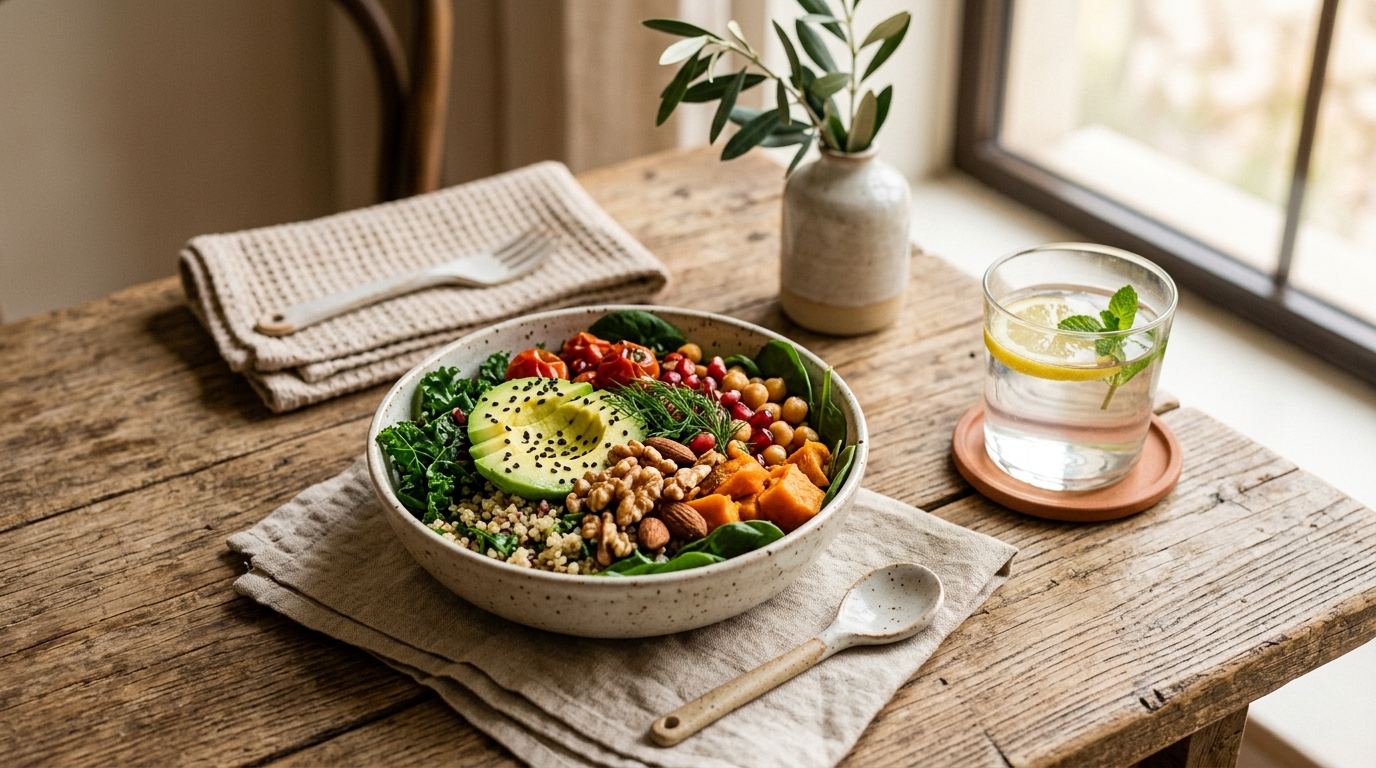
For muscle gain, you might aim for the higher end of the fat range. This ensures your body has enough energy to build muscle while still maintaining overall health. Remember, quality matters just as much as quantity. Focus on healthy fats like those from avocados, nuts, and olive oil.
Monitoring and Adjusting
Once you've set your fat intake, monitor your progress. Are you hitting your goals? Do you feel energized? Adjust as needed. Using Calofay can simplify this process, offering insights from a personal AI coach and real dietitian support via WhatsApp.
Tools to Simplify Tracking
Keeping track of your fat intake might seem daunting, but technology makes it easier. With Calofay, you can log meals with a quick photo, get a full macro breakdown, and even import recipes from social media. These features take the guesswork out of tracking so you can focus on reaching your goals efficiently.
Frequently Asked Questions
How can I determine my TDEE?
You can calculate your TDEE by estimating your Basal Metabolic Rate (BMR) and multiplying it by an activity factor. Online calculators are also available to simplify this process.
What are healthy sources of fat?
Healthy fats include those found in avocados, nuts, seeds, olive oil, and fatty fish like salmon. These fats support heart health and provide essential fatty acids.
Can I eat too little fat?
Yes, consuming too little fat can lead to deficiencies in fat-soluble vitamins and negatively impact hormone production. It's important to meet at least the minimum recommended fat intake for health.
Ready to turn this into results?
Take the 2-minute Calofay quiz and get your personal calorie & macro plan — with 500+ healthy recipes, an AI coach, and a 15-day money-back guarantee. It's the easiest way to start.
Ready to start your journey?
Answer 13 quick questions and get your custom plan in 2 minutes.
Read next
All articles →
Daily Fiber: Your Essential Guide to Intake & Sources
Discover how much daily fiber you need and learn the best sources to enhance your diet.
Daily Fiber: How Much You Need & Where to Find It
Discover how much daily fiber you need and the best sources to improve digestion and overall health.
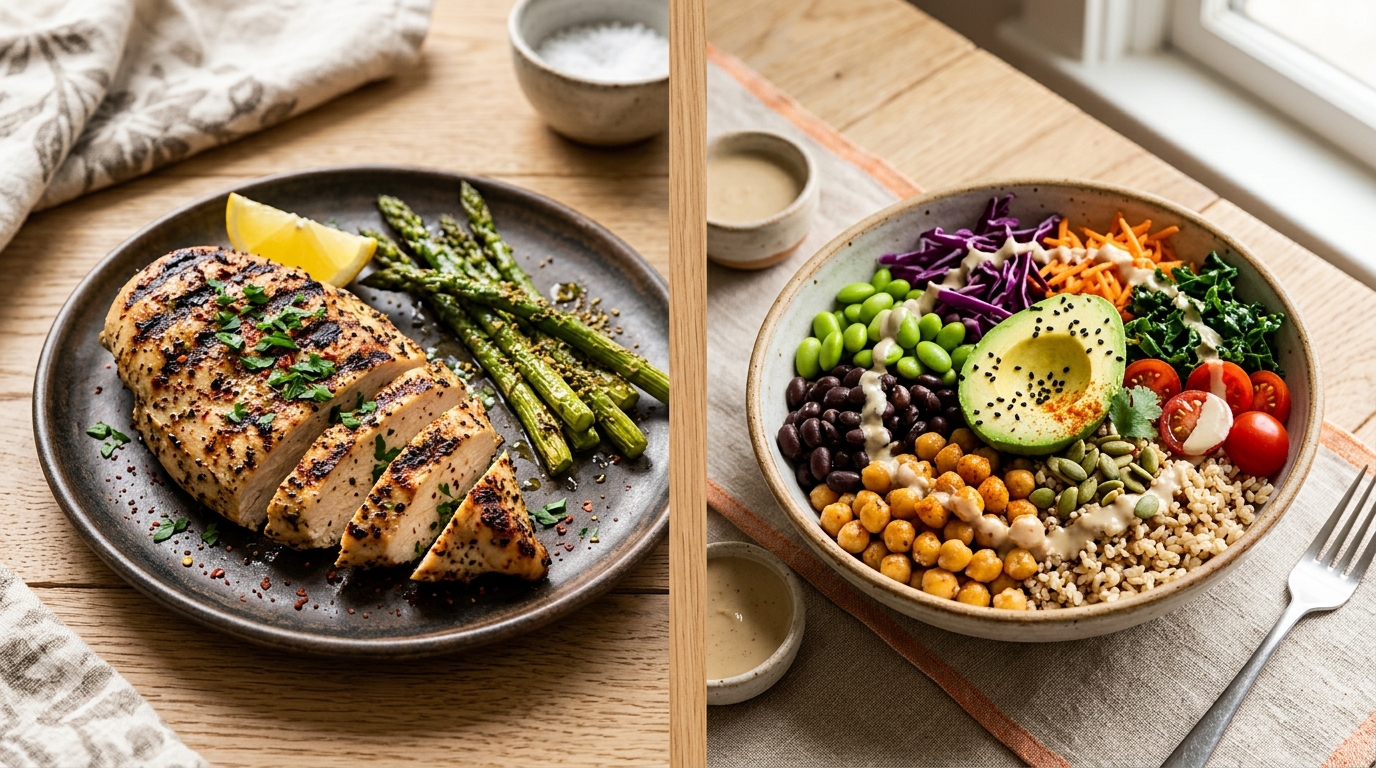
Animal vs Plant Protein: What's Best for Muscle?
Explore the benefits of animal vs plant protein for muscle building, and find out which is best for your fitness goals.