
Healthy Fats vs Bad Fats: A Visual Guide
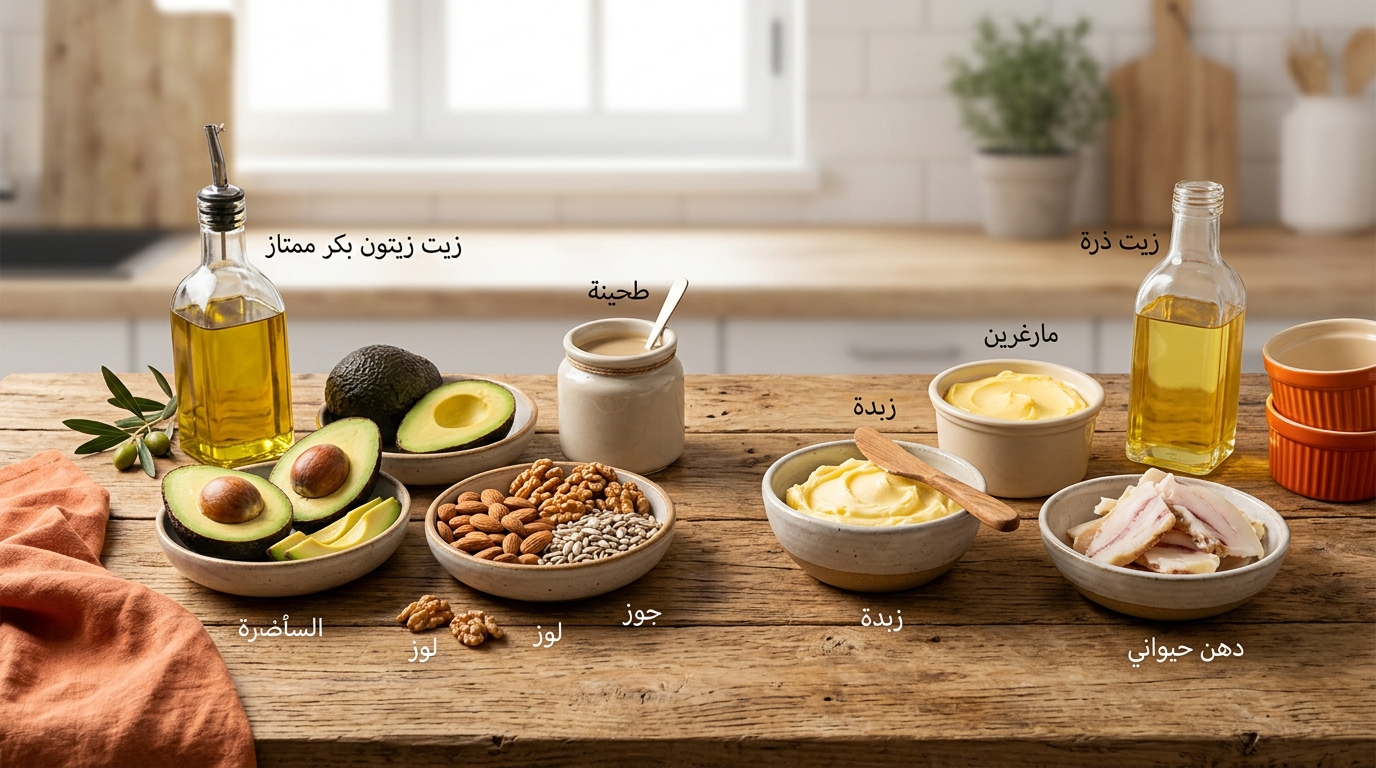
When it comes to fats, not all are created equal. Some nourish your body, while others might do more harm than good. Understanding the difference between healthy fats and bad fats is crucial for making smarter dietary choices.
The Basics of Fats
Fats are an essential part of any diet, providing energy, supporting cell growth, and protecting organs. However, the type of fat you consume makes a significant difference to your health.
- Unsaturated Fats: These are the healthy fats. Found in foods like avocados, nuts, and olive oil, they can improve cholesterol levels and reduce inflammation.
- Saturated Fats: Found in animal products and some plant oils, these should be consumed in moderation. They can raise LDL cholesterol levels, potentially leading to heart disease.
- Trans Fats: These are the bad fats. Mostly found in processed foods, they not only raise LDL cholesterol but also lower HDL (good) cholesterol.
Healthy Fats: What to Look For
Healthy fats primarily include unsaturated fats, which are divided into monounsaturated and polyunsaturated fats. Here's where you can find them:
- Monounsaturated Fats: Olives, peanuts, and avocados are rich sources. These fats help reduce bad cholesterol levels.
- Polyunsaturated Fats: Essential fats like omega-3 and omega-6 fall into this category. Fish, walnuts, and flaxseeds are excellent choices.
Calofay can be an invaluable tool in tracking your intake of these beneficial fats. Simply log your meals using a photo, voice memo, or barcode, and let the AI handle the rest.
Bad Fats: What to Avoid
Trans fats are the primary culprits when discussing bad fats. Often found in:
- Fried Foods: Fast food, fried snacks, and some baked goods are loaded with trans fats.
- Processed Foods: Margarine, packaged snacks, and certain types of popcorn.
Limiting your intake of these foods is crucial for maintaining a healthy diet. Using Calofay's macro tracker, you can easily spot and reduce trans fat consumption.
"Trans fats are often hidden in plain sight, sneaking into our diets through processed and convenience foods."
Reading Labels: A Practical Guide
Understanding food labels is your first line of defense against unhealthy fats. Here's how to interpret them:
- Total Fat: Focus on the types of fat listed under this category.
- Saturated and Trans Fat: Aim to keep these numbers as low as possible.
- Daily Value Percentage: Provides insight into how much of each fat type you're consuming relative to a daily 2,000-calorie diet.
Cooking with Fats: Smart Choices
How you cook can affect the types of fats you consume. Opt for healthy oils like olive or canola oil. Avoid deep-frying and instead, try baking, grilling, or steaming to preserve the beneficial properties of unsaturated fats.
The Role of Fats in Weight Management
Fats play a dual role in dieting. While they're calorie-dense, they also help you feel full. By choosing the right types of fat, you can enhance your weight loss efforts. With Calofay, track your daily fat intake and balance it with your protein and carb consumption for optimal results.
Conclusion: Making Informed Choices
Differentiating between healthy and bad fats empowers you to make better dietary choices. Utilize tools like Calofay to keep track of your intake, ensuring you enjoy the benefits of healthy fats while minimizing the risks associated with bad fats.
Frequently Asked Questions
What are the healthiest sources of fats?
Focus on whole foods like avocados, nuts, seeds, and fish. These are rich in unsaturated fats and provide other essential nutrients.
How can I reduce bad fat intake?
Start by minimizing processed and fried foods in your diet. Reading labels and using apps like Calofay can help identify and reduce trans fat consumption.
Can healthy fats help with weight loss?
Yes, healthy fats can aid in weight loss by promoting satiety and helping you control overall calorie intake. They are an essential component of a balanced diet.
Ready to turn this into results?
Take the 2-minute Calofay quiz and get your personal calorie & macro plan — with 500+ healthy recipes, an AI coach, and a 15-day money-back guarantee. It's the easiest way to start.
Ready to start your journey?
Answer 13 quick questions and get your custom plan in 2 minutes.
Read next
All articles →
Daily Fiber: Your Essential Guide to Intake & Sources
Discover how much daily fiber you need and learn the best sources to enhance your diet.
Daily Fiber: How Much You Need & Where to Find It
Discover how much daily fiber you need and the best sources to improve digestion and overall health.
Animal vs Plant Protein: What's Best for Muscle?
Explore the benefits of animal vs plant protein for muscle building, and find out which is best for your fitness goals.