
The Best Plant-Based Proteins Ranked
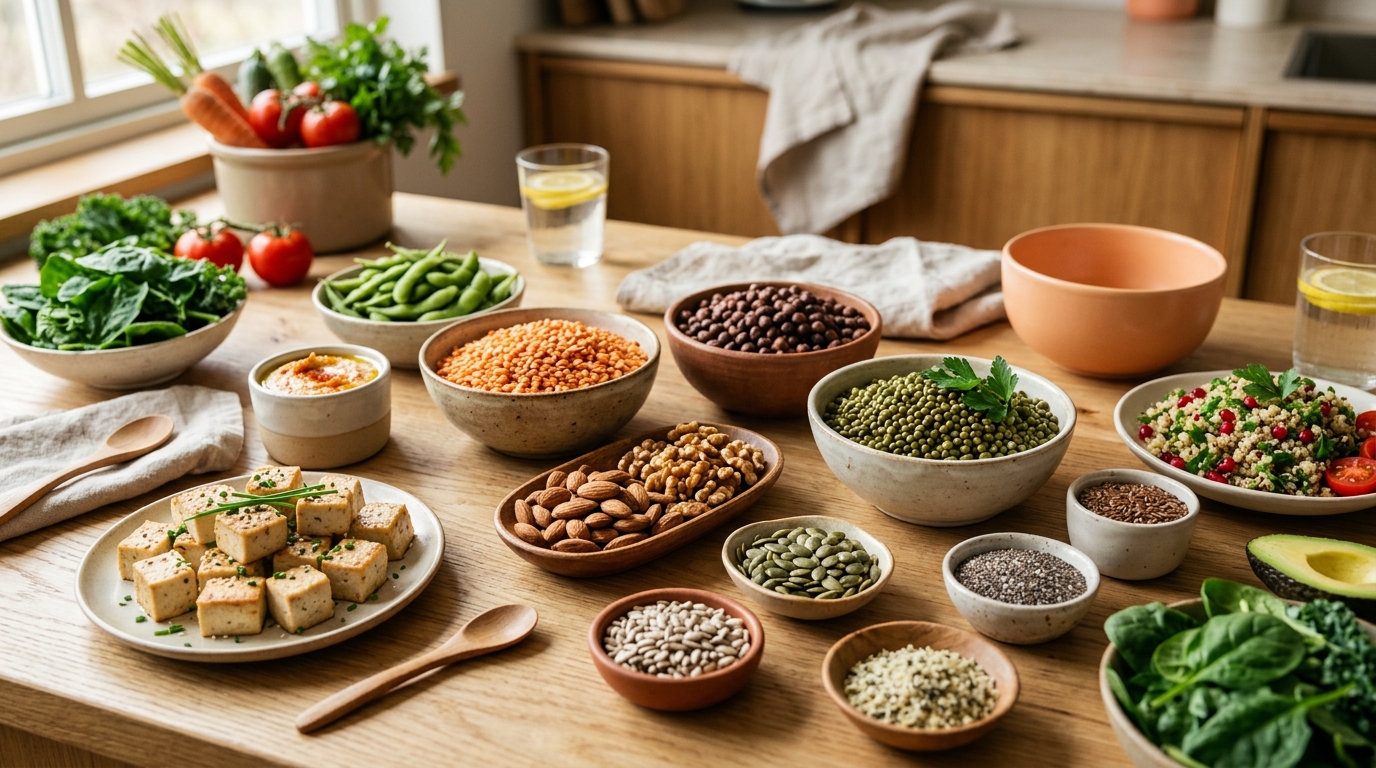
Choosing the right plant-based proteins can transform your diet, offering essential nutrients while aligning with ethical or health goals. In this guide, we’ll rank the best plant-based protein sources to help you make informed decisions.
1. Legumes: Beans and Lentils
Legumes are a powerhouse in the plant protein world. They offer not just protein but also fiber, iron, and a range of B vitamins. One cup of cooked lentils contains about 18 grams of protein. Beans like black beans or chickpeas provide around 15 grams per cooked cup. They are versatile and can be incorporated into salads, stews, and even snacks.
2. Quinoa
Quinoa is often misunderstood as a grain, but it's a seed. What makes quinoa stand out is that it's a complete protein, containing all nine essential amino acids. A cooked cup offers about 8 grams of protein. With its nutty flavor and chewy texture, quinoa is perfect for salads, bowls, or as a side dish.
3. Nuts and Seeds
While nuts and seeds are often praised for their healthy fats, they are also excellent protein sources. Almonds, for instance, provide 6 grams of protein per ounce, while chia seeds offer 5 grams per 2 tablespoons. Use them in smoothies, as toppings, or in homemade energy bars. However, be mindful of portion sizes due to their high-calorie content.
"Nuts and seeds offer a significant protein punch along with healthy fats and fiber, making them an essential part of a balanced plant-based diet."
4. Tofu and Tempeh
Soy products like tofu and tempeh are staples in plant-based diets. Tofu contains about 10 grams of protein per half-cup serving, while tempeh offers even more at approximately 15 grams. They are incredibly versatile, absorbing flavors well when marinated or used in stir-fries.
5. Seitan
Seitan, often referred to as 'wheat meat', is made from gluten, the protein component of wheat. It boasts an impressive 25 grams of protein per 3.5 ounces, making it a favorite among those who can tolerate gluten. It's perfect for replicating the texture of meat in various dishes.
6. Edamame
These young soybeans are not only delicious but also packed with protein. A cup of cooked edamame provides around 17 grams of protein. They are perfect for snacking, adding to salads, or including in stir-fries.
7. Spirulina
Spirulina is a blue-green algae that's rich in protein. Just 2 tablespoons provide 8 grams of protein. It’s usually consumed in powder form and can be added to smoothies or juices for an extra nutritional boost.
When you're planning meals, having a tool like Calofay can make your life easier. With its ability to log meals from photos or voice memos and track macros, it’s like having a nutrition lab in your pocket. Plus, with over 500 recipes, you'll never run out of ideas.
Frequently Asked Questions
What is a complete protein and why is it important?
A complete protein contains all nine essential amino acids that the body cannot produce on its own. These are crucial for muscle maintenance, immune function, and overall health.
Are plant-based proteins as effective as animal proteins?
Yes, plant-based proteins can be just as effective when consumed in adequate amounts and combined correctly to ensure all essential amino acids are obtained.
How can I ensure I'm getting enough protein on a plant-based diet?
Incorporate a variety of protein-rich plant foods and consider using tools like Calofay to track your intake and ensure you're meeting your nutritional needs.
Ready to turn this into results?
Take the 2-minute Calofay quiz and get your personal calorie & macro plan — with 500+ healthy recipes, an AI coach, and a 15-day money-back guarantee. It's the easiest way to start.
Ready to start your journey?
Answer 13 quick questions and get your custom plan in 2 minutes.
Read next
All articles →
Daily Fiber: Your Essential Guide to Intake & Sources
Discover how much daily fiber you need and learn the best sources to enhance your diet.
Daily Fiber: How Much You Need & Where to Find It
Discover how much daily fiber you need and the best sources to improve digestion and overall health.
Animal vs Plant Protein: What's Best for Muscle?
Explore the benefits of animal vs plant protein for muscle building, and find out which is best for your fitness goals.