
Walking vs Gym: Which Burns More Fat?
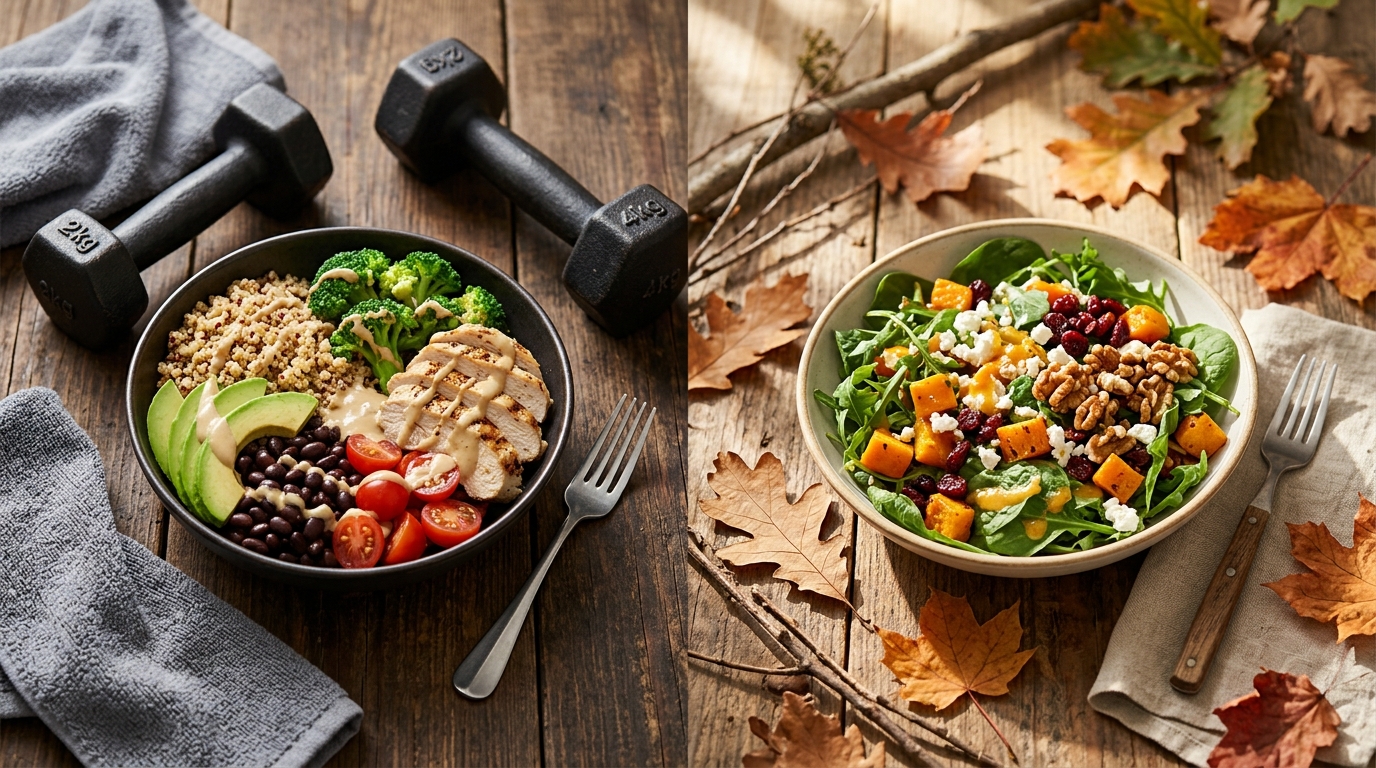
Deciding between walking and the gym for fat loss isn't just about calories. It's about understanding how your body works and what suits your lifestyle best. Let's explore which burns more fat—walking or the gym—and why.
The Basics of Fat Burning
Fat loss boils down to creating a calorie deficit. You burn fat when you consume fewer calories than you expend. Both walking and gym workouts can contribute to this deficit, but they do so differently.
- Walking: A low-impact exercise that primarily uses fats as fuel, especially when done at a steady pace for extended periods.
- Gym Workouts: Typically involve a mix of cardio and strength training, higher intensity, which can lead to higher immediate calorie burn.
When aiming for weight loss, it’s essential to consider not just the calories burned during the activity but also the after-burn effect, known as EPOC (Excess Post-exercise Oxygen Consumption).
Caloric Burn Comparison
Walking
Walking at a moderate pace (about 3.5 mph) burns roughly 280-350 calories per hour for a person weighing 155 pounds. It's sustainable and low-risk, making it a great choice for beginners or those with joint concerns.
Gym Workouts
A typical gym session can vary greatly in calorie burn, depending on the type and intensity of the workout. An hour of weightlifting might burn around 220-300 calories, while an intense HIIT session could torch 400-600 calories.
Pro Tip: Incorporate both walking and gym sessions using Calofay’s macro tracking to optimize your calorie deficit and monitor your progress efficiently.
Factors Influencing Fat Loss
Intensity Matters
High-intensity workouts often lead to a greater calorie burn, but walking has its charm in sustained, low-intensity fat oxidation. The best approach is often a combination—using the gym for intensity and walking for consistency.
Consistency is Key
Both walking and gym workouts require regularity. The cumulative effect of regular walking sessions can be just as effective as sporadic gym visits.
Muscle Mass Impact
Strength training at the gym builds muscle, increasing resting metabolic rate (RMR). More muscle mass can mean more calories burned at rest. If you're curious about how different proteins impact muscle building, explore our Animal vs Plant Protein article.
The Role of Diet
No matter your exercise choice, pairing it with a balanced diet is crucial. Calofay can help track your meals, ensuring you meet your nutritional needs while staying in a calorie deficit.
Personal Preference and Sustainability
Ultimately, the best exercise is the one you enjoy and can stick with. Mixing walking with gym workouts can break monotony and keep motivation high.
How Calofay Can Help
Calofay’s AI-powered features make it simpler to log your meals, track workouts, and monitor your progress. Whether you're walking, lifting weights, or both, Calofay supports your weight loss journey by offering personalized advice and real-time tracking.
Frequently Asked Questions
How many calories do I need to burn to lose one pound of fat?
To lose one pound of fat, you need to create a calorie deficit of approximately 3,500 calories. This can be achieved through a combination of diet and exercise.
Is walking better than running for fat loss?
Walking is less intense and burns fewer calories per hour than running, but it's also lower impact and easier to maintain long-term, making it effective for sustainable fat loss.
Can I lose weight by just going to the gym?
Yes, you can lose weight by focusing on a mix of cardio and strength training at the gym. However, combining it with a healthy diet will yield better results. Calofay can help you track both aspects seamlessly.
Ready to turn this into results?
Take the 2-minute Calofay quiz and get your personal calorie & macro plan — with 500+ healthy recipes, an AI coach, and a 15-day money-back guarantee. It's the easiest way to start.
Ready to start your journey?
Answer 13 quick questions and get your custom plan in 2 minutes.
Read next
All articles →
Best Times to Drink Water for Weight Loss
Learn when to drink water to maximize weight loss. Timing matters!
Fat vs Muscle Loss: Spot the Difference Easily
Learn to distinguish between fat and muscle loss with clear signs and strategies.

The Complete Weight-Loss Guide for Women Over 40
Navigate weight loss over 40 with strategies tailored to your body's evolving needs.