
Safely Shed 1 kg/Week: Your Complete Guide
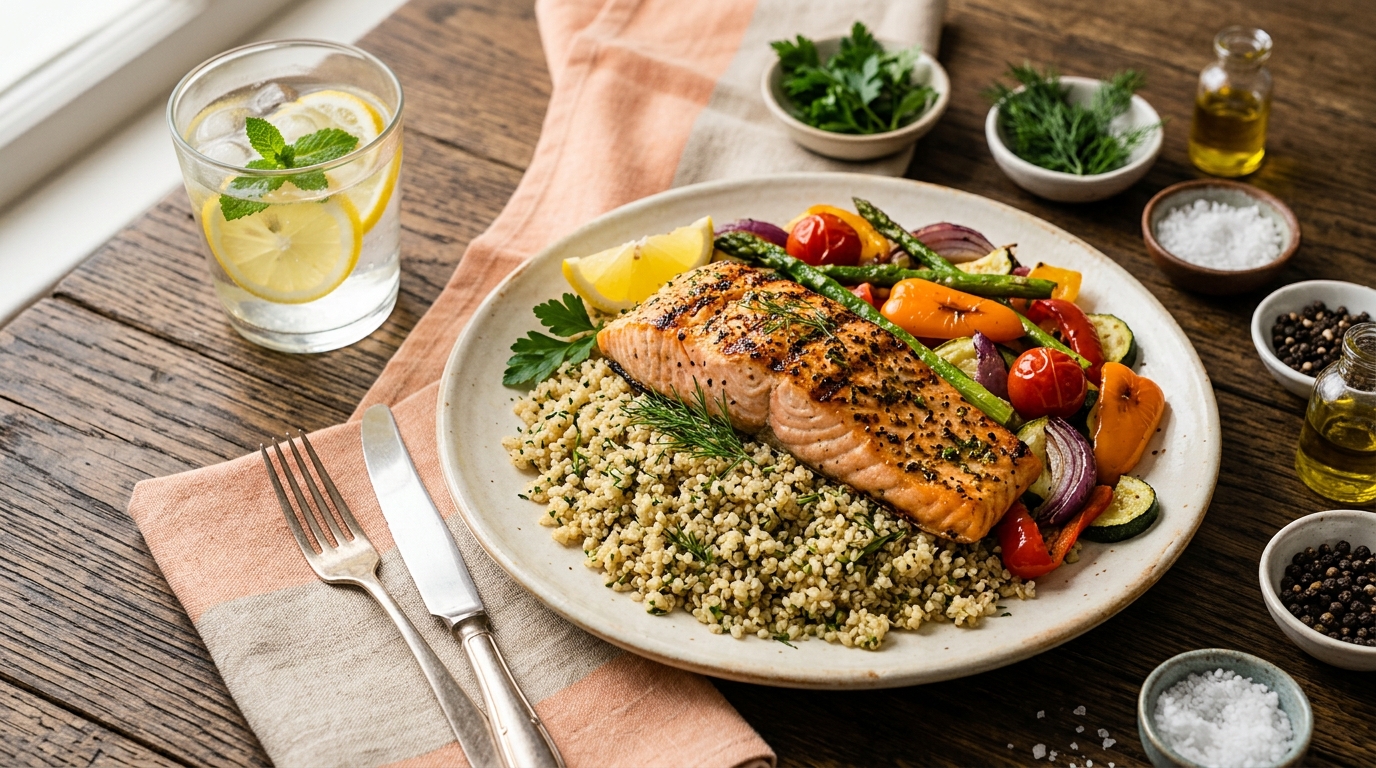
Losing weight can feel like solving a complex puzzle. Aiming to lose 1 kg per week is a healthy and achievable goal that focuses on safety and sustainability. Let's break down the safest way to lose 1 kg per week while keeping your well-being a top priority.
Understand the Caloric Deficit
To lose 1 kg (2.2 pounds) per week, you need to create a caloric deficit of approximately 7700 calories, as 1 kg of body weight is roughly equivalent to this caloric amount. This means you'll need to burn about 1100 calories more than you consume each day. However, it's crucial to approach this deficit sensibly.
- Balanced Diet: Focus on nutrient-rich foods that provide energy without a high caloric load.
- Exercise: Incorporate both cardio and strength training to maximize calorie burn and muscle retention.
Calofay can assist by tracking your calorie intake and activity, ensuring you maintain a healthy deficit.
Prioritize Nutrient-Dense Foods
Eating nutrient-dense foods supports your body's needs while keeping calories in check. Here are some tips:
- Lean Proteins: Opt for chicken, fish, tofu, or legumes.
- Whole Grains: Choose brown rice, quinoa, and whole wheat.
- Fruits and Vegetables: Fill half your plate with a variety of colors.
Using Calofay, you can log meals via a quick photo or voice memo. This helps keep track of macros effortlessly.
Exercise: A Balanced Approach
Exercise is a powerful tool in weight loss, but overdoing it can lead to burnout or injury. Aim for a mix of cardio and strength training:
- Cardio: Activities like brisk walking, cycling, or swimming help burn calories.
- Strength Training: Builds muscle, which in turn increases your resting metabolic rate.
Aim for at least 150 minutes of moderate aerobic activity or 75 minutes of vigorous activity weekly, combined with muscle-strengthening exercises on two or more days a week.
Stay Hydrated
Water is often overlooked in weight loss, but it's vital. Staying hydrated aids digestion and helps control hunger.
- Daily Intake: Aim for about 2 liters a day, but adjust based on activity level and climate.
- Before Meals: Drinking a glass of water before meals can help reduce overall calorie intake.
Monitor Your Progress
Tracking progress keeps you motivated and accountable. Use Calofay's feature for before/after photos and step tracking to visualize your journey. Also, take advantage of its personal AI coach for weekly insights.
"The journey of a thousand miles begins with one step." – Lao Tzu
Rest and Recovery
Rest days are as important as exercise days. They allow your body to repair and grow stronger.
- Sleep: Aim for 7-9 hours per night.
- Active Recovery: Light activities such as walking or yoga on rest days can aid recovery.
Seek Support
The path to weight loss is smoother when you have support. Whether it's friends, family, or digital assistance, encouragement can make all the difference. Calofay provides access to a real dietitian via WhatsApp for personalized advice.
Conclusion
The safest way to lose 1 kg per week involves a balanced combination of diet, exercise, and lifestyle changes. With tools like Calofay, you can manage your calorie intake, maintain motivation, and access expert guidance when needed.
Frequently Asked Questions
How many calories should I eat to lose 1 kg per week?
To lose 1 kg per week, you should aim for a daily caloric deficit of about 1100 calories. This is achieved through a combination of reducing intake and increasing physical activity.
Can I lose 1 kg per week without exercise?
While it's possible through diet alone, incorporating exercise can make the process healthier and more sustainable. Exercise helps preserve muscle mass while losing fat.
What's the best type of exercise to lose weight?
A balanced mix of cardio and strength training is ideal. Cardio burns calories, while strength training builds muscle, which can boost metabolism. Consider reading our article on Animal vs Plant Protein: Which Builds More Muscle? to better understand how protein intake supports your exercise routine.
Ready to turn this into results?
Take the 2-minute Calofay quiz and get your personal calorie & macro plan — with 500+ healthy recipes, an AI coach, and a 15-day money-back guarantee. It's the easiest way to start.
Ready to start your journey?
Answer 13 quick questions and get your custom plan in 2 minutes.
Read next
All articles →
Walking vs Gym: Which Burns More Fat?
Explore whether walking or hitting the gym is more effective for fat loss. Discover the science and practical tips for your weight loss journey.

Best Times to Drink Water for Weight Loss
Learn when to drink water to maximize weight loss. Timing matters!

Fat vs Muscle Loss: Spot the Difference Easily
Learn to distinguish between fat and muscle loss with clear signs and strategies.