
Mastering Your Workout Schedule with Intermittent Fasting
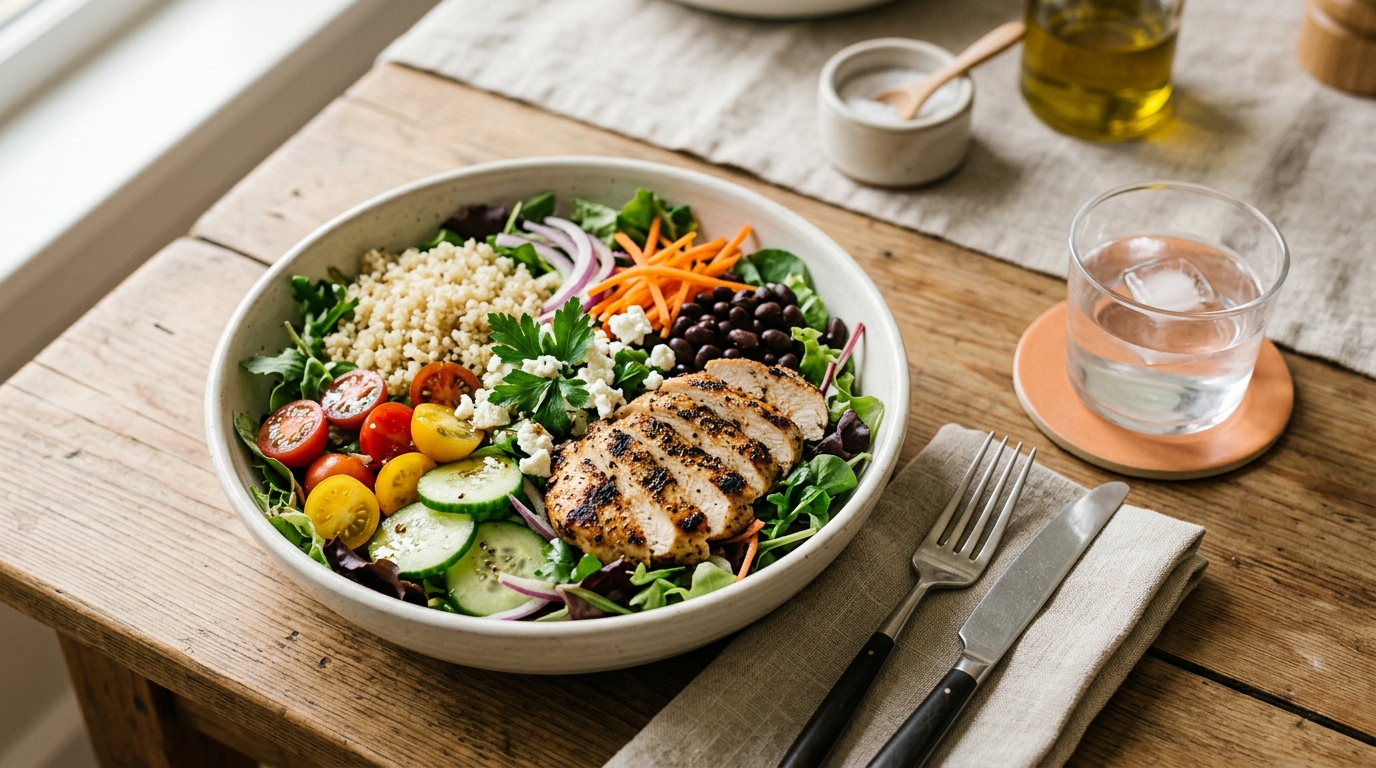
Timing your workouts around intermittent fasting can transform your fitness regimen. Whether you're fasting for health benefits or weight loss, aligning your exercise routine can maximize results. Let's dive into how to time workouts around intermittent fasting.
Understanding Intermittent Fasting
Intermittent fasting (IF) involves cycling between periods of eating and fasting. Common methods include the 16/8 method, where you fast for 16 hours and eat during an 8-hour window, and the 5:2 method, where you eat normally for five days and reduce calorie intake for two. Knowing your fasting schedule is key to planning workouts effectively.
Best Time to Work Out
Fasted Workouts
Working out in a fasted state can enhance fat burn, thanks to lower insulin levels and increased adrenaline. Fasted workouts are ideal for aerobic exercises, like walking or cycling. A study suggests that exercising before breakfast can lead to more fat oxidation. However, if you're engaging in high-intensity workouts, ensure you're attuned to your body's cues.
Fed Workouts
For intense workouts or muscle-building routines, eating before exercising might be more beneficial. Consuming carbs pre-workout can fuel your performance. If you're following a 16/8 fasting plan, aim to work out after breaking your fast.
Pro Tip: Listening to your body is crucial. If a fasted workout feels too taxing, consider adjusting your fasting window or workout intensity.
Post-Workout Nutrition
Replenishing glycogen stores post-exercise is essential, especially if you've exercised fasted. A balanced meal with protein and carbohydrates can aid recovery. Calofay can help you track your macros and ensure you're meeting nutritional needs post-workout.
Hydration's Role
Staying hydrated is crucial, particularly when fasting. Dehydration can impair performance and recovery. Aim for at least 2 liters of water daily, and consider electrolyte supplements if you're engaging in long-duration or high-intensity activities.
Adjusting Your Routine
Every individual is unique, and what works for one might not work for another. Experiment with different workout times and fasting windows to find what suits you best. Use a tool like Calofay for real-time feedback and personalized adjustments.
Combining Intermittent Fasting with Protein Sources
While intermittent fasting focuses on when you eat, what you eat remains important. Balancing protein intake is crucial for muscle maintenance. Dive into our Animal vs Plant Protein: Which Builds More Muscle? article to make informed choices about your protein sources during your eating windows.
Frequently Asked Questions
Can I build muscle while practicing intermittent fasting?
Yes, you can. Ensuring adequate protein intake and timing your workouts post-meal can support muscle growth. Tracking your macros with Calofay can optimize your muscle-building efforts.
Is it safe to do high-intensity workouts while fasting?
It depends on individual tolerance. Some people thrive on fasted high-intensity workouts, while others may experience fatigue. It's essential to listen to your body and adjust as necessary.
What should I eat after a fasted workout?
Aim for a meal rich in protein and carbohydrates to replenish glycogen stores and aid muscle recovery. Whole grains, lean proteins, and vegetables are excellent choices.
Ready to turn this into results?
Take the 2-minute Calofay quiz and get your personal calorie & macro plan — with 500+ healthy recipes, an AI coach, and a 15-day money-back guarantee. It's the easiest way to start.
Ready to start your journey?
Answer 13 quick questions and get your custom plan in 2 minutes.
Read next
All articles →
What Breaks a Fast: Coffee, Tea, or Diet Drinks?
Explore whether coffee, tea, and diet drinks break a fast and how they affect your fasting routine.

Mastering 24-Hour Fasts Safely and Effectively
Explore the benefits and risks of 24-hour fasts and learn how to practice them safely with expert tips.
7 Clear Signs Intermittent Fasting Isn't for You
Discover the signs that intermittent fasting might not be your best dietary choice and explore alternatives.