
Debunking Intermittent Fasting Myths: Get the Facts

Intermittent fasting (IF) has gained fame for its simplicity and potential health benefits. But with popularity comes misinformation. Let's dive into the most common myths about intermittent fasting, debunked.
Myth 1: Intermittent Fasting Slows Your Metabolism
You might have heard that skipping meals puts your body into 'starvation mode', slowing down your metabolism. The truth? Short-term fasting actually boosts metabolic rate by up to 14%, according to a study published in the journal Obesity. Your body becomes more efficient, not sluggish.
Myth 2: Fasting Means Skipping Breakfast
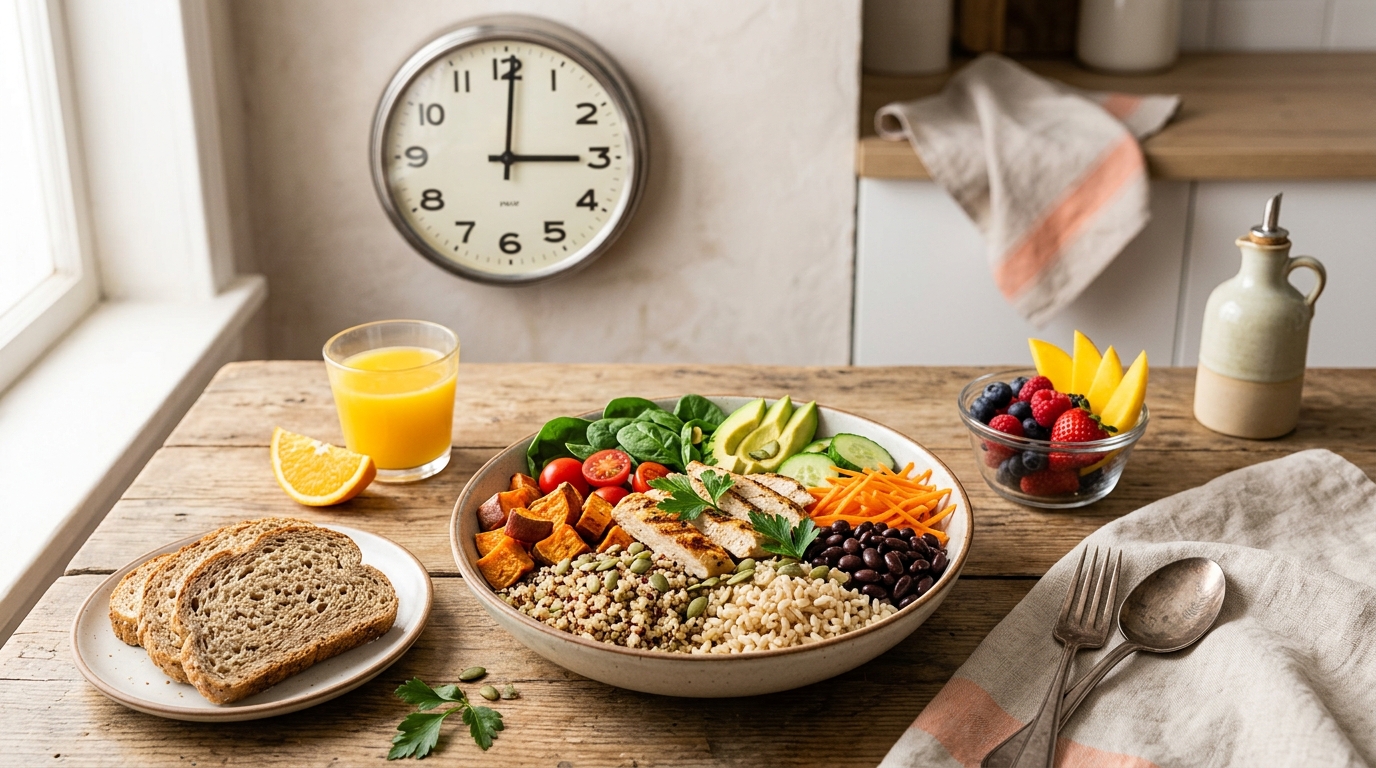
Sure, some people skip breakfast as part of their fasting schedule, but it's not a rule. Intermittent fasting is about finding an eating window that works for you, whether that means skipping breakfast or having a late dinner. Flexibility is key.
Myth 3: You'll Lose Muscle, Not Fat
There's a fear that fasting will lead to muscle loss. However, when done correctly, intermittent fasting targets fat stores while sparing muscle mass. It's crucial to ensure you're getting enough protein during eating windows. Animal vs Plant Protein: Which Builds More Muscle? can guide you on choosing the right protein sources.
Myth 4: Fasting is Just a Fad Diet
Labeling intermittent fasting as a fad overlooks its historical and cultural roots. Many cultures have practiced fasting for centuries, not just for weight loss but for spiritual and health reasons. Research supports benefits like improved insulin sensitivity and reduced inflammation.
"Intermittent fasting can be a sustainable lifestyle choice, not just a trend."
Myth 5: Fasting Will Make You Feel Weak and Tired
It's common to feel a bit hungry at first, but most people report increased energy once their bodies adapt. The key is staying hydrated and maintaining balanced nutrition during eating periods. Using apps like Calofay can help keep track of your nutrient intake effortlessly.
Myth 6: You Can Eat Anything During Eating Windows
While it's tempting to feast on junk food, quality matters. Nutrient-dense foods support overall health and maximize fasting benefits. Calofay’s AI helps balance macros, ensuring you're on track even with indulgences.
Myth 7: Fasting is Unsafe for Everyone
Fasting isn’t for everyone, especially those with medical conditions or who are pregnant. Always consult a healthcare provider before starting. For the rest, intermittent fasting can be a safe way to support a healthy lifestyle.
Frequently Asked Questions
Is intermittent fasting effective for weight loss?
Yes, when combined with mindful eating and exercise, it can help create a calorie deficit, promoting weight loss.
Can I drink coffee or tea during fasting periods?
Absolutely, black coffee and unsweetened tea are generally fine as they have minimal calories. Avoid adding sugar or cream.
How long should I fast for intermittent fasting?
Common schedules include 16/8 (16-hour fast) or 5:2 (eating normally for 5 days, reduced calorie intake for 2 days). Choose what suits your lifestyle.
Ready to turn this into results?
Take the 2-minute Calofay quiz and get your personal calorie & macro plan — with 500+ healthy recipes, an AI coach, and a 15-day money-back guarantee. It's the easiest way to start.
Ready to start your journey?
Answer 13 quick questions and get your custom plan in 2 minutes.
Read next
All articles →
What Breaks a Fast: Coffee, Tea, or Diet Drinks?
Explore whether coffee, tea, and diet drinks break a fast and how they affect your fasting routine.

Mastering 24-Hour Fasts Safely and Effectively
Explore the benefits and risks of 24-hour fasts and learn how to practice them safely with expert tips.
7 Clear Signs Intermittent Fasting Isn't for You
Discover the signs that intermittent fasting might not be your best dietary choice and explore alternatives.