
Avoid These Calorie Counting Mistakes
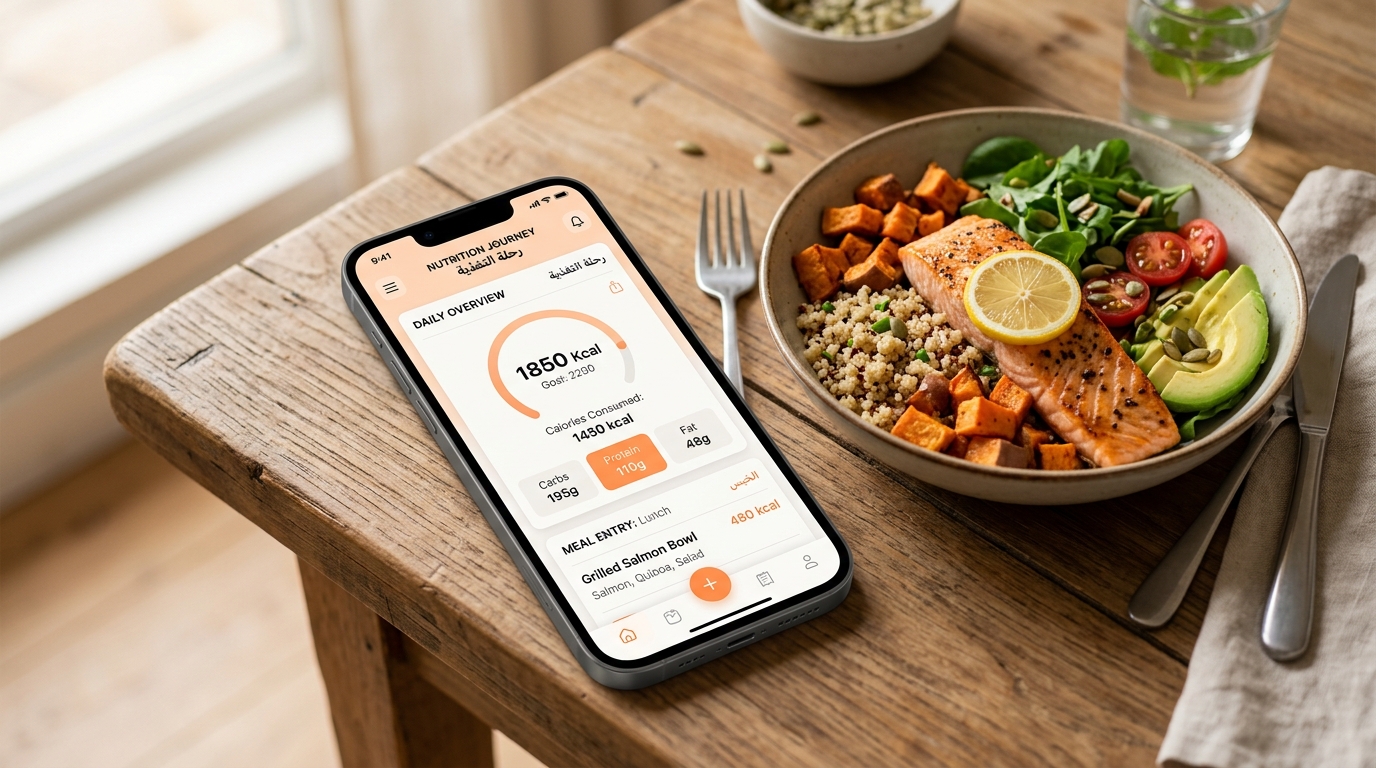
Counting calories can be your best friend or your worst enemy. To successfully lose weight, you need to avoid the common pitfalls that can derail your progress. Let's dive into the calorie counting mistakes that stall your weight loss and how to fix them.
Ignoring Portion Sizes
Eyeballing portions might seem convenient, but it's often inaccurate. For instance, what you think is a tablespoon of peanut butter might actually be two. Those extra calories add up. Use a digital food scale to get precise measurements. It might be tedious at first, but soon you'll develop a better sense of true portion sizes.
Forgetting Liquid Calories
Many dieters overlook the calories in beverages. A glass of orange juice, a cup of coffee with cream, or a protein shake can each contribute a significant amount of calories. These add up quickly and can eclipse the calories you save by choosing a salad over a sandwich. Always log liquid calories to keep track of your intake accurately.
Overestimating Exercise Calories Burned
Exercise is crucial, but it's easy to overestimate the calories you burn. A 30-minute jog may burn around 300 calories, but if you believe it burns 500, you might consume more food than you should. Use a reliable fitness tracker or app like Calofay, which can sync with your workouts to give you a more accurate picture.
"Precision is key in calorie counting. Small errors can lead to big setbacks."
Not Logging Snacks
Those handfuls of nuts or occasional candies can sneak in hundreds of extra calories. It’s crucial to log every bite, even those small snacks. You might be surprised at how much these 'invisible' calories add up.
Misjudging Restaurant Meals
Restaurant meals are notoriously difficult to track. Even if you find a similar dish in a calorie database, the chef’s version might contain more oil or sugar than expected. When eating out, try to choose dishes that are easier to estimate, like grilled chicken with steamed vegetables, and use a tool like Calofay’s photo-based meal logging to help break down the ingredients.
Ignoring Food Labels
Food packaging can be misleading. "Reduced fat" or "sugar-free" doesn’t always mean low-calorie. Carefully read the nutrition labels instead of relying solely on the front of the package. Look at the serving size and compare it to how much you actually eat.
Relying on Memory
Thinking you'll remember everything you ate throughout the day is a recipe for underestimation. Logging meals immediately after eating is crucial. Calofay makes this easy with options like barcode scanning or voice memos, ensuring you don’t miss a beat.
Frequently Asked Questions
What if I don't see immediate weight loss results?
Weight loss is not always linear. Factors like water retention and muscle gain can affect short-term results. Keep consistent with your calorie counting and check your progress over weeks rather than days.
How can I accurately count calories when eating out?
Choose simpler dishes and use apps like Calofay to photograph your meal. It helps estimate the macros and calories more precisely than guessing.
Is it possible to eat too few calories?
Yes, eating too few calories can slow your metabolism and stall weight loss. Ensure you're consuming a balanced diet that supports your activity level and nutritional needs.
Ready to turn this into results?
Take the 2-minute Calofay quiz and get your personal calorie & macro plan — with 500+ healthy recipes, an AI coach, and a 15-day money-back guarantee. It's the easiest way to start.
Ready to start your journey?
Answer 13 quick questions and get your custom plan in 2 minutes.
Read next
All articles →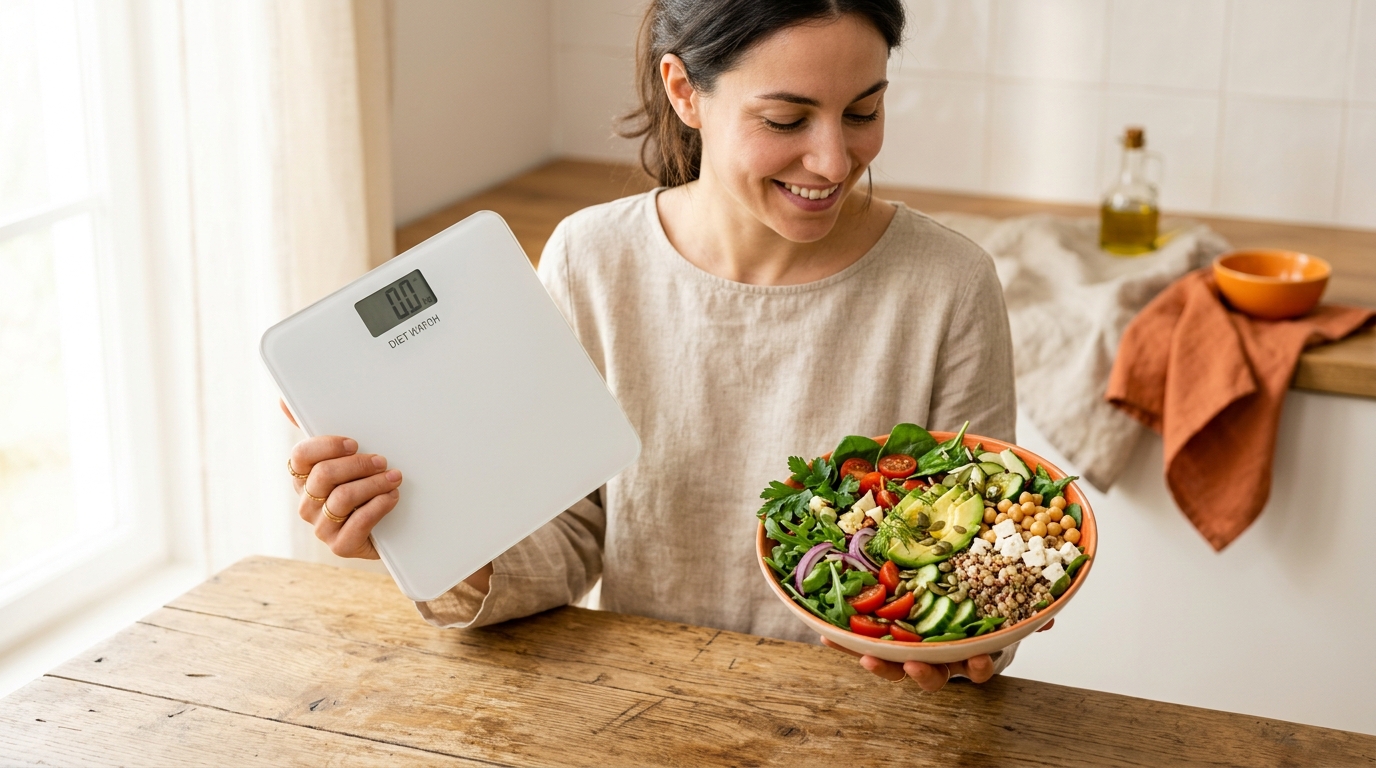
Debunking the 500-Calorie Deficit Myth
Uncover the truth about the 500-calorie deficit myth with scientific insights. Learn why it's not as simple as it seems.

Debunking the 500-Calorie Deficit Myth
Discover what science says about the 500-calorie deficit myth and how it impacts your weight loss journey.
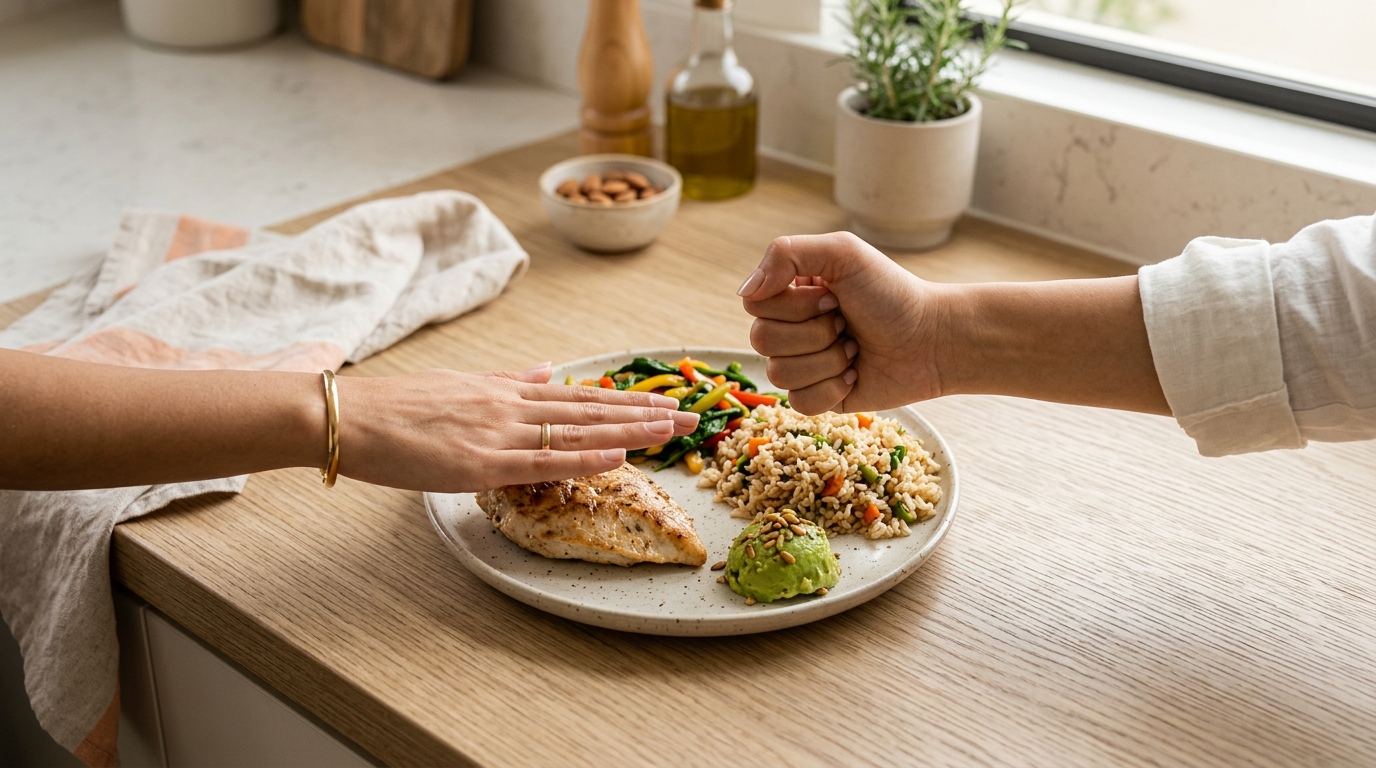
Portion Size Cheat Sheet: Use Palm, Fist, Thumb
Learn how to use your palm, fist, and thumb as a foolproof portion size cheat sheet for effective calorie counting.