
10 Steps to Lose Weight Without Crash Dieting

Introduction
We all know crash diets aren't the answer. They promise quick results but often lead to disappointment and yo-yo dieting. If you're wondering how to lose weight without a crash diet, you're in the right place. This 10-step guide provides sustainable strategies for effective weight loss.
1. Understand Your Why
Before diving into any weight loss plan, it's crucial to understand why you want to lose weight. Is it to improve your health, increase your energy, or boost your confidence? Knowing your motivation helps maintain focus when the going gets tough.
2. Set Realistic Goals
Forget about losing 10 pounds in a week. Aim for a healthy rate of 1-2 pounds per week. This may not sound dramatic, but it adds up to over 50 pounds a year. Sustainable changes lead to lasting results.
3. Prioritize Nutrition Over Calories
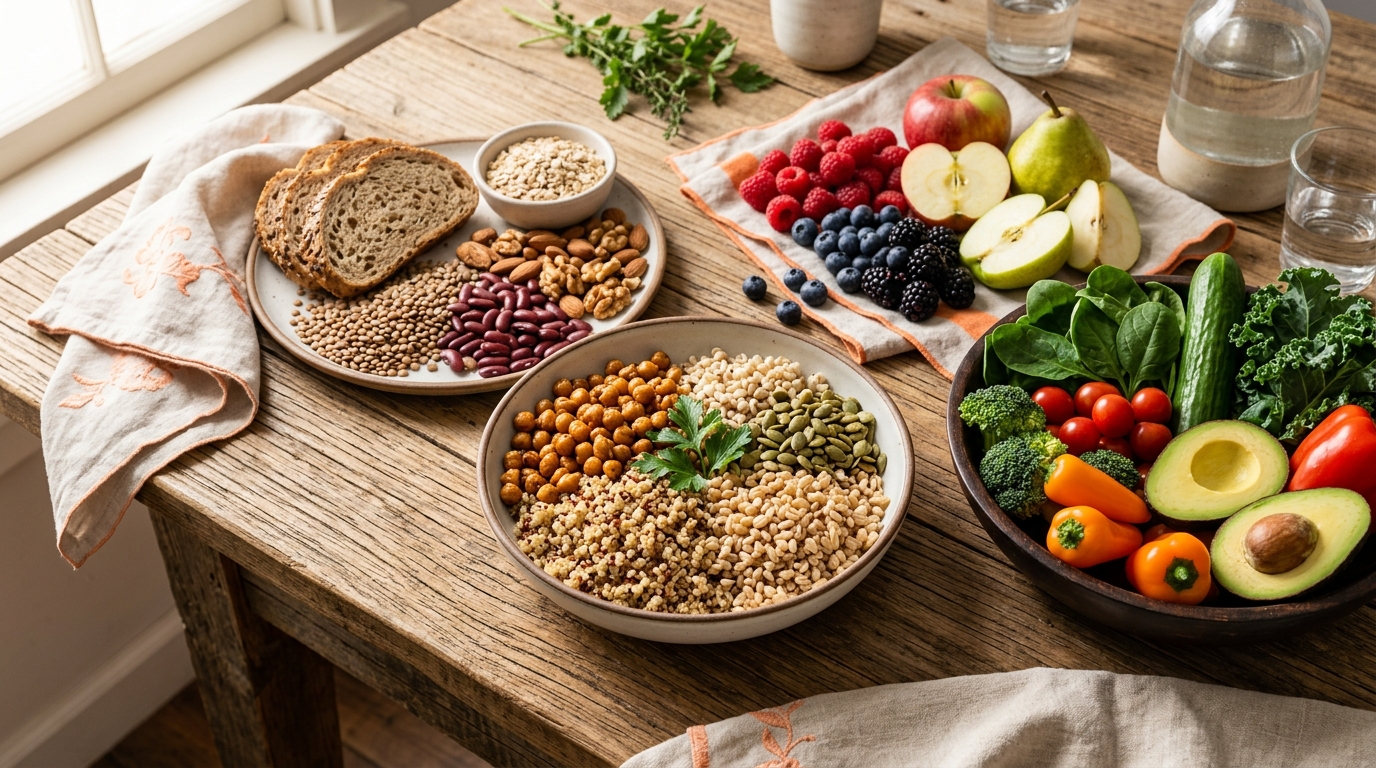
Instead of obsessing over calorie counts, focus on nutrient-dense foods. Fill half your plate with vegetables, a quarter with protein, and the remaining with whole grains. This approach keeps you full longer and provides essential nutrients.
4. Hydrate, Hydrate, Hydrate
Water plays a vital role in weight loss. It can boost metabolism, reduce appetite, and help in fat burning. Aim for at least 8 cups of water a day.
5. Move Your Body Regularly
Exercise doesn't have to mean hitting the gym. Find activities you enjoy, like dancing, hiking, or cycling. Aim for at least 150 minutes of moderate activity per week. Remember, consistency is key.
6. Practice Mindful Eating
Pay attention to your hunger cues. Eat slowly, savor each bite, and stop when you're full. This practice can prevent overeating and help you enjoy your meals more.
"Mindful eating isn't just about what you eat, but how you eat."
7. Track Your Progress
Keeping track of your meals and workouts can provide insights into your eating habits and activity levels. Apps like Calofay make this easier by allowing you to log meals from a photo or voice memo. Plus, it gives you a full macro breakdown to understand your nutritional intake better.
8. Get Enough Sleep
Lack of sleep can affect your metabolism and increase hunger hormones. Aim for 7-9 hours of quality sleep each night to help regulate your weight.
9. Manage Stress
Stress can lead to emotional eating. Incorporate stress-reduction techniques such as meditation, yoga, or deep breathing exercises into your daily routine.
10. Seek Support
Having a support system can make a significant difference. Whether it's friends, family, or a professional, having someone to share your journey with can provide motivation and accountability. Calofay offers a personal AI coach and access to a real dietitian to guide you.
Frequently Asked Questions
How long will it take to lose weight without a crash diet?
Losing weight at a healthy rate of 1-2 pounds per week can lead to substantial results over time. It's about making sustainable changes rather than quick fixes.
Is exercise necessary for weight loss?
While you can lose weight through diet alone, exercise is essential for overall health and can significantly accelerate weight loss and improve your mood.
How can Calofay help me in my weight loss journey?
Calofay simplifies tracking with features like meal logging from photos and a personal AI coach. It also offers macro tracking, recipe imports, and more to support your goals.
Ready to turn this into results?
Take the 2-minute Calofay quiz and get your personal calorie & macro plan — with 500+ healthy recipes, an AI coach, and a 15-day money-back guarantee. It's the easiest way to start.
Ready to start your journey?
Answer 13 quick questions and get your custom plan in 2 minutes.
Read next
All articles →
10 Steps to Lose Weight Without a Crash Diet
Ditch crash diets with these 10 practical steps for lasting weight loss. Embrace sustainable habits and enjoy the journey!
Daily Fiber: Your Essential Guide to Intake & Sources
Discover how much daily fiber you need and learn the best sources to enhance your diet.

Daily Fiber: How Much You Need & Where to Find It
Discover how much daily fiber you need and the best sources to improve digestion and overall health.